Elizabeth Warren Blames Landlords for Rent Hikes, Citing Health Care Laws and Inflation
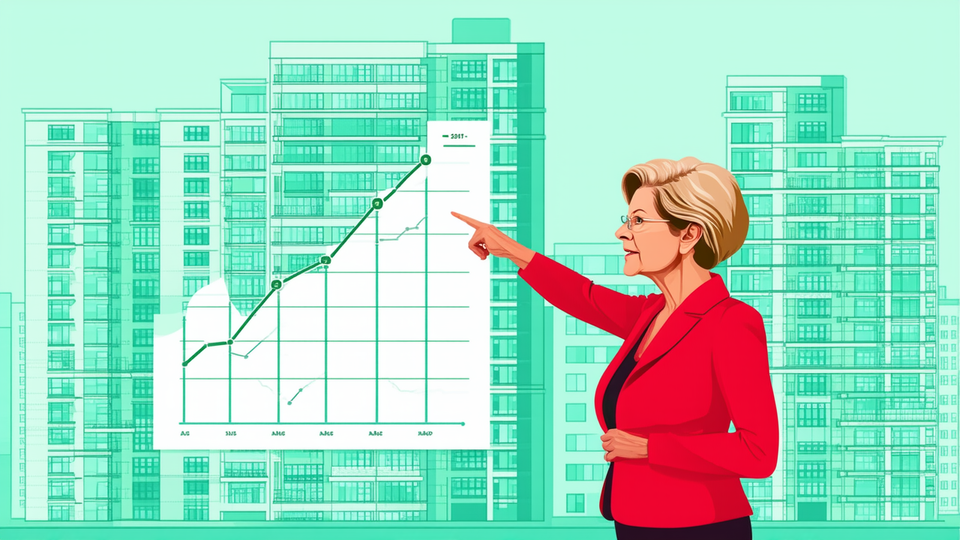
Senator Elizabeth Warren, representing Massachusetts, amplified her longstanding criticism of rising housing costs on August 5, 2026. In a tweet that quickly went viral, she warned that landlords were "jacking up rent" and suggested that the escalation was tied to the federal policies she helped pass.
Warren’s message tied the rent spike to two key pieces of legislation she supported: the Affordable Care Act (ACA) and the Inflation Reduction Act (IRA). She argued that these laws, while intended to improve health insurance and lower costs, have instead increased overall inflation, creating a burden for renters nationwide. The senator’s critique follows a pattern seen in recent months, where she has used social media to label certain economic practices—such as “dynamic pricing” used by airlines and hotels—as tactics that “squeeze you even more.”
In her tweet, Warren wrote: "We should all be worried about 'dynamic pricing.' That's when companies change their prices in real time. If it's hot out, the cost of ice cream could go up. If it's cold, tea bags could go up. It's a way for giant companies to squeeze you even more." She concluded with a sarcastic call for a federal agency to control the price of ice cream, underscoring her belief that the government should intervene to protect consumers from market-driven price hikes.
The post ignited a torrent of replies. Some users mocked the idea of government‑priced ice cream, while others defended landlords, noting that many rent increases are driven by higher property taxes, insurance premiums, and utility costs. One commenter pointed out that during the summer, demand for ice cream naturally rises, leading to higher prices—a basic supply‑and‑demand scenario. Others cited examples of airlines and hotel rates varying by season and demand, demonstrating that dynamic pricing is a common industry practice.
Critics of Warren’s stance argue that the rent hikes are more directly linked to local factors, such as increased property tax assessments in Massachusetts, rising maintenance costs, and a shortage of affordable housing. A tweet from a Cambridge resident highlighted that landlords often pass on the rising cost of municipal services to tenants, suggesting that the senator’s focus on federal policy may overlook these local pressures.
Warren’s remarks also reflect her broader political narrative since the 2024 election, where she has positioned herself as a defender of consumers against what she describes as corporate exploitation. In earlier statements, she has labeled “dynamic pricing” as a tool used by “giant companies” to increase profits at the expense of ordinary Americans. By linking rent increases to her own legislative achievements, she attempts to hold the Democratic administration accountable for high‑cost living, despite the fact that the policies she championed were originally aimed at expanding access to health care and reducing long‑term inflationary pressures.
The public reaction underscores a deep divide in how Americans interpret economic policy. While some applaud the senator’s willingness to call out landlords, others see her remarks as an oversimplification of a complex market. The conversation continues online, with many awaiting how the senator will address the underlying housing shortage and what concrete steps, if any, she will propose to mitigate rent inflation beyond pointing to federal legislation.