Digital Tax Tensions: How EU Levies on U.S. Tech Could Spark Trade Retaliation
Introduction
In mid‑2026 a series of statements from President Donald Trump highlighted growing friction between the United States and European countries over digital services taxes (DSTs). Trump announced that any nation that imposes a tax on U.S. technology companies—such as Google, Meta, Apple, Amazon or Alphabet—will be met with a 100% tariff on all goods sent to the United States, including high‑value items like French wine.
Background on Digital Services Taxes
Several European governments have introduced or considered DSTs that target large online platforms earning revenue from users in their markets. France, the United Kingdom and other EU members have applied rates ranging from 2% to 5% on digital advertising and marketplace earnings. The European Commission defends these measures as non‑discriminatory and applied equally to all large companies, regardless of origin.
U.S. officials argue that DSTs effectively single out American firms and amount to an unfair tax on innovation. The Trump administration has previously used Section 301 investigations to challenge similar policies, but the specific legal basis for a sweeping 100% tariff remains uncertain.
Trump’s Retaliatory Threats
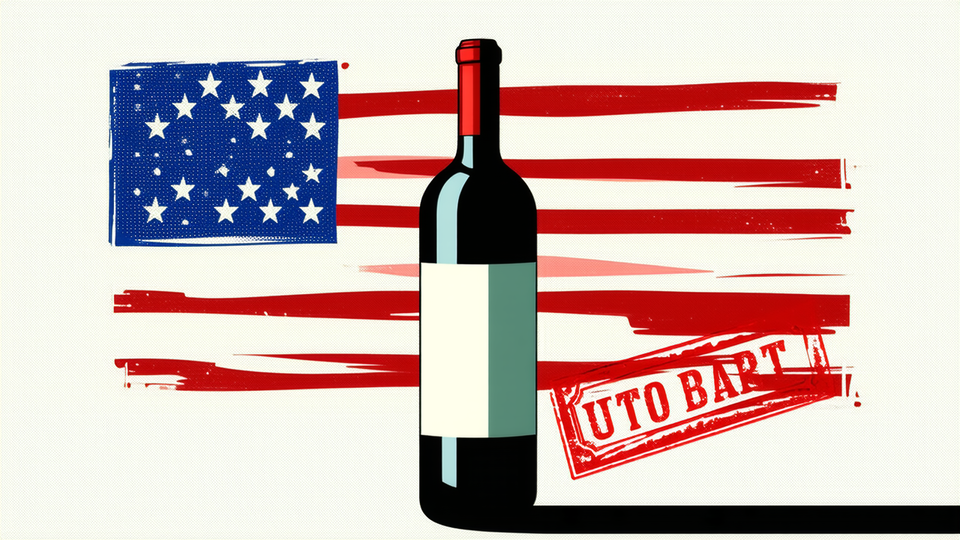
On June 15, 2026, Trump warned France that unless its digital tax on U.S. tech companies was removed, French wines and champagne could face a 100% tariff when entering the United States. The same warning was reiterated on June 26, 2026, stating that “any Country that imposes such a Tax will immediately be met with a 100% TARIFF on any and all Goods sent to the United States of America.” The president framed the move as a direct response to what he described as “unilateral measures targeting legitimate policies.”
Similar statements have been made regarding the broader European Union, suggesting that the threat could extend to a wide range of European exports if a collective DST is adopted. The language implies that the tariff would supersede existing trade agreements, including the EU‑U.S. deal that caps most EU export duties at 15%.
Potential Trade Consequences
Analysts warn that a 100% tariff would dramatically raise the price of affected goods, harming both European exporters and U.S. consumers. For French vineyards, the loss of the U.S. market could lead to significant revenue declines, while U.S. importers and retailers would face higher costs. The threat also raises questions about compliance with World Trade Organization (WTO) rules, which typically prohibit punitive tariffs that exceed agreed‑upon limits.
The European Commission has pledged to defend the right of member states to regulate their economies, emphasizing that DSTs are applied equally to all large platforms. It has called the U.S. warning “unjustified” and signaled readiness to respond swiftly if tariffs are imposed.
Implications for U.S. Tech Companies and Policy Makers
U.S. technology firms could see the threat as leverage to influence foreign tax policy, but the uncertainty surrounding potential trade barriers adds risk to their international operations. Companies may need to bolster compliance teams, engage in diplomatic lobbying, or adjust pricing strategies to mitigate tariff exposure.
Policymakers on both sides of the Atlantic face a delicate balance: protecting revenue streams while maintaining stable trade relations. The ongoing July 4 deadline for finalizing the U.S.–EU tariff cap underscores the urgency of finding a mutually acceptable solution before broader retaliation disrupts market stability.
Conclusion
The clash over digital services taxes illustrates how tax policy and trade strategy intersect in the digital age. While the United States asserts its right to counter what it sees as discriminatory levies, European nations defend DSTs as necessary for fair taxation of digital economies. The outcome will shape not only the future of U.S.–EU trade but also the global approach to taxing multinational tech platforms.