CNN’s Pamela Brown Reports Live from USS Abraham Lincoln amid Gulf Tensions
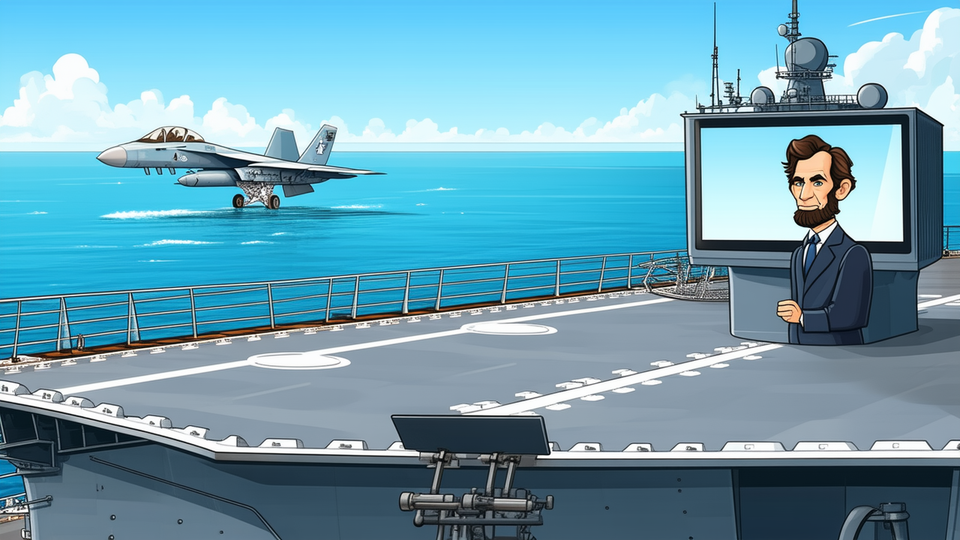
Live from USS Abraham Lincoln
On July 7, 2026, CNN anchor Pamela Brown became the first American journalist granted access to the aircraft carrier USS Abraham Lincoln in the Arabian Sea. Her live report came as the U.S. military evaluated its next steps after three tankers were struck in the strategically vital Strait of Hormuz.
Brown explained that the carrier, stationed in the Arabian Sea, operates in a zone often described as a “kill box,” underscoring its role in regional security. She highlighted that Iran launched strikes against the three vessels attempting to navigate the Oman route, a corridor established only months earlier. The attacks heightened already fragile tensions despite a standing memorandum of understanding meant to protect commercial shipping.
According to unnamed U.S. officials, the strikes represented a “gross violation” of the agreement and were deemed “illogical.” Brown relayed that senior U.S. officials viewed the attacks as a deliberate effort by Iran to flex its military muscle during a pause in diplomatic negotiations caused by the funeral of Iran’s former supreme leader.
The Joint Maritime Information Center responded by raising the shipping risk level in the Strait of Hormuz from “substantial” to “severe.” While the three tankers sustained damage, there were no reported casualties. The United States naval forces, including the Abraham Lincoln, are now “weighing their options,” a phrase used by Brown to convey the careful deliberation within the Pentagon regarding potential retaliation or further defensive measures.
Brown’s presence aboard the carrier provided viewers with a vivid illustration of the complex interplay between diplomatic efforts and military readiness. Her reporting emphasized the importance of transparent journalism in keeping the public informed about decisions that affect international trade, energy security, and regional stability.
As the situation develops, analysts suggest that the United States may consider calibrated responses that balance deterrence with the avoidance of broader escalation. The incident serves as a stark reminder of the volatile nature of the Strait of Hormuz and the critical role of naval forces in safeguarding global commerce.