CNN Panel Clash Over Jennings' McConnell Call Claim
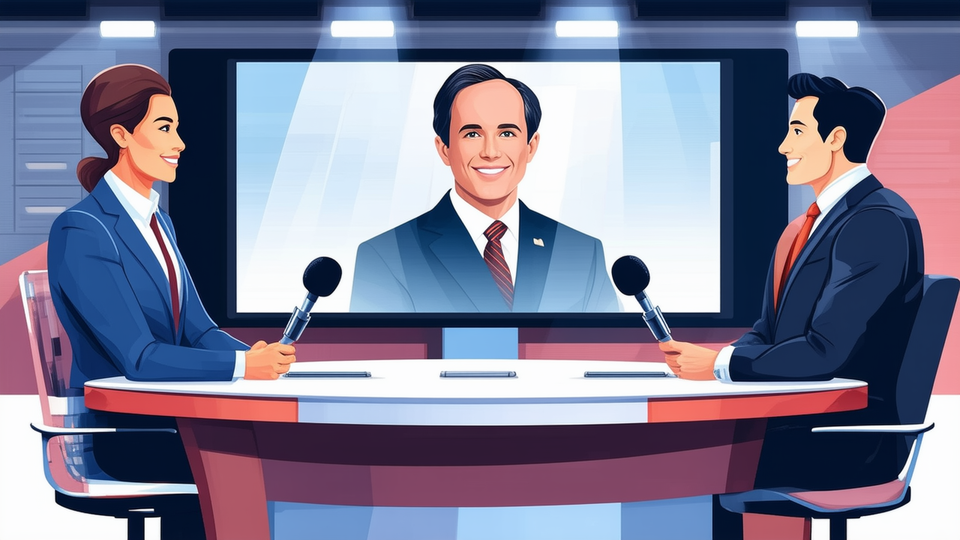
During the July 8 broadcast of CNN’s political roundtable, longtime commentator Scott Jennings claimed he had spoken with Senator Mitch McConnell for nearly twenty minutes that morning. Jennings said the conversation covered topics ranging from Iran and Ukraine to the Graham‑Platner scandal. His assertion, posted on X and reiterated on air, quickly became the focal point of the show.
Conservative panelist Brianna Lyman, who did not name Jennings directly during the segment, seized the opportunity to criticize what she called a "weird talking point" being echoed across social media. "I think it’s wholly unacceptable," Lyman said, noting the proliferation of memes that turned the 20‑minute call into a joke. "If I were calling someone who was out of commission for a few weeks, I would not ask them about the war, SCOTUS. I probably would say, ‘How are you doing?’"
Host Abby Phillip pressed the panel for clarity, asking why the network could not simply state that the senator was hospitalized and give an update on his condition. Lyman’s remarks underscored a broader frustration among viewers who feel that political commentators are capitalizing on McConnell’s uncertain health status for sound bites.
Later in the program, fellow CNN host Kasie Hunt directly challenged Jennings, asking whether McConnell would be willing to call into the show. Jennings responded with a chuckle, admitting he had not expected a call that morning but was grateful for the brief conversation. He highlighted his long‑standing personal connection to McConnell, recalling that the senator’s mentorship helped him secure a college education.
The dispute on air reflected a pattern seen throughout the week: other Senate leaders, including Senate Majority Leader John Thune and Whip John Barrasso, also reported recent conversations with McConnell. Punchbowl News noted that both leaders spoke with the senator for roughly twenty minutes, reinforcing the notion that the calls were routine check‑ins rather than exclusive disclosures.
Social media amplified the moment, turning the phrase "20‑minute phone call" into a viral meme. Users posted humorous takes, inventing imaginary conversations and even suggesting absurd topics, such as McConnell’s sexual orientation or polyamory. These jokes, while playful, highlighted the public’s appetite for any insight into the senator’s condition.
With McConnell’s health remaining largely private—Aides have declined to comment on the specifics of his hospitalization—conversations like Jennings’s and the subsequent on‑air rebuttal raise questions about the role of media in balancing transparency and respect for personal privacy. As the panelists continue to debate the appropriate framing, viewers are left to navigate a mix of serious political analysis and light‑hearted internet satire.
Regardless of the tone, the exchange serves as a reminder that internal dynamics among conservative commentators can be as contentious as the policies they discuss, especially when a high‑profile figure like Senator McConnell is involved.