Caring for Animals Amid Conflict: Hussein Hamza’s Rescue Effort in Southern Lebanon
Animal Rescue in War‑Torn Kfaroue
When the latest Israel‑Hezbollah conflict erupted in March 2022, residents of Kfaroue in southern Lebanon fled their homes, often leaving behind beloved animals. Over the following months, the number of abandoned dogs, cats, chickens, goats and even camels surged as families were forced to evacuate or lost their lives in airstrikes.
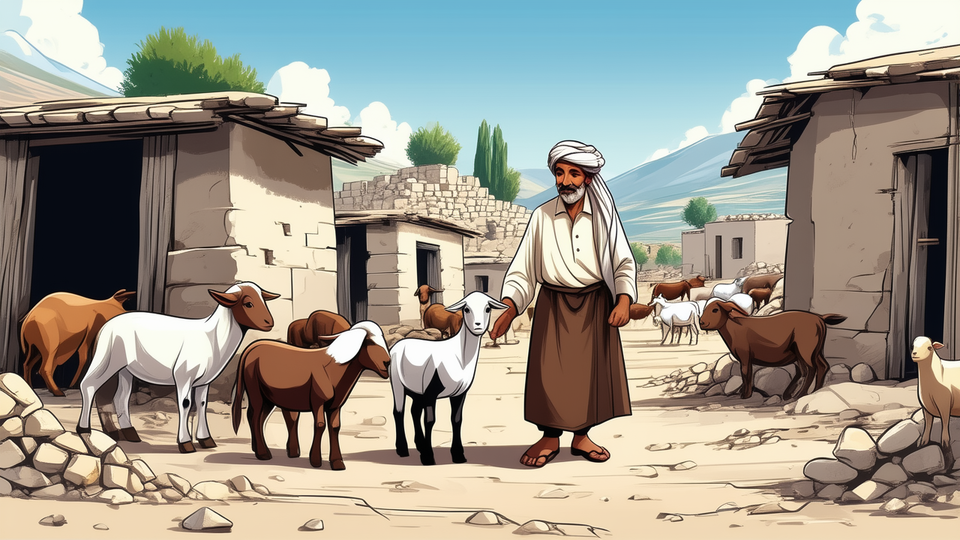
Hussein Hamza, a veteran animal caretaker who has run his shelter, Mashala, since 2006, now makes daily rounds through the village carrying a wheelbarrow of chicken pieces for feeding, buckets of water for thirsty livestock, and medical supplies for injured pets. Dozens of dogs gather around him, some missing limbs, others with infected wounds that he cleans and treats. Hamza also tends to a pen of chickens and a pair of camels, providing them with food and shelter.
The war has dramatically increased the shelter’s operating costs. Hamza spends $400 to $500 each day on food, veterinary care, spaying and neutering, fuel and repairs. Funding is scarce because many donors prioritize human humanitarian aid over animal welfare, yet Hamza believes that “we shouldn’t neglect these responsibilities because of wars or because of the poverty we face.” His commitment reflects a broader social‑justice perspective that all living beings deserve care, especially in times of crisis.
Despite occasional shelling near Kfaroue, the area has remained relatively calm compared to border zones, allowing Hamza to continue his mission. He relies on a Facebook page for donations and has seen some animals find new homes. One rescued pit‑bull mix was adopted by Abbas Shoeib after its owners were killed in an airstrike, exemplifying the hope that compassion can bring even amid tragedy.
Hamza’s work also underscores the importance of environmental stewardship. By rescuing livestock that would otherwise roam unattended, he helps prevent disease spread and protects local ecosystems from disruption caused by abandoned animals. His shelter serves as a refuge not only for pets but also for the agricultural fabric of the community.
As a tentative truce holds and many residents anticipate returning, Hamza awaits the moment when owners can reclaim their animals. Until then, his daily routine continues, driven by a belief that caring for animals is integral to rebuilding a resilient, humane society after conflict.