

California governor blames Trump for record housing unaffordability, sparks X backlash
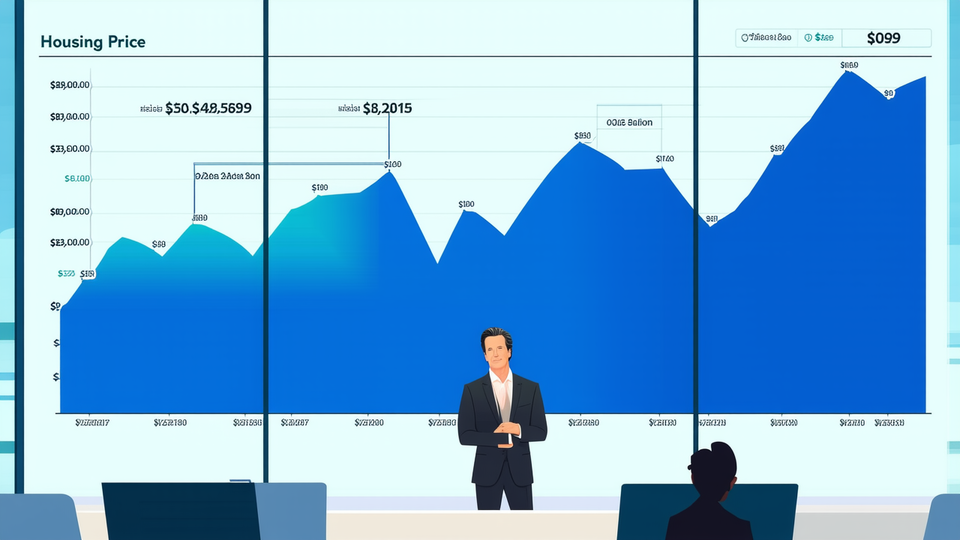
California Governor Gavin Newsom reposted a chart on X on September 15, 2026 that labeled housing prices as the most unaffordable in history and attributed the trend to former President Donald Trump.
The post, which included the caption “Great work, @realDonaldTrump!”, prompted an immediate wave of replies from X users who questioned the accuracy of the claim. Several commentators noted that the data behind the chart showed the largest surge in housing cost burden between 2021 and 2024, a period that coincided with President Joe Biden’s administration.
Evidently, @GavinNewsom doesn't know how to read graphs. Housing prices skyrocketed under Joe Biden's presidency.
Critics from various online accounts, including Libs of TikTok and the OutKick writer Ian Miller, described the governor’s interpretation as a misreading of the numbers. Some observers called the post an “own goal” and likened it to earlier Democratic attempts to blame Trump with similar charts that later proved inaccurate.
Newsom’s X post arrived amid ongoing efforts in California to tackle housing affordability. In 2025, the governor signed a housing package that streamlined environmental review for qualifying projects by exempting them from certain California Environmental Quality Act provisions. A July 2025 reform further focused on financing and expediting affordable‑housing development.
White House spokesperson Davis Ingle responded to the controversy, asserting that former President Trump had taken “laser‑focused” actions to improve housing affordability, including an executive order aimed at limiting large Wall Street firms from buying single‑family homes and directing major mortgage insurers to purchase billions in bonds.
The episode highlights the heightened scrutiny of political figures’ use of data in public discourse. While Newsom’s post was intended to underscore the severity of the housing crisis, the rapid correction by online users demonstrated how quickly misinformation can be challenged in the digital age.
As the debate continues, both state and federal officials are expected to further outline policies aimed at reducing housing costs, though the partisan framing of the issue may shape public perception of upcoming measures.