Arizona’s AI Data Center Boom Tests State’s Energy and Water Limits
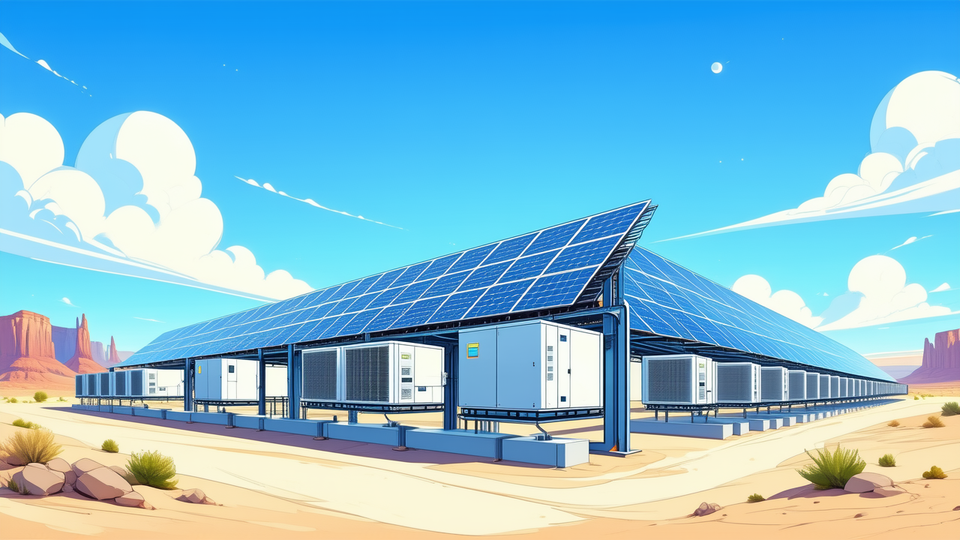
Arizona’s AI Data Center Energy and Water Crunch
Arizona has become a bellwether for the nation’s data‑center surge as artificial‑intelligence workloads demand massive computing power. In the desert heat, each new facility adds a significant load to an already stretched electric grid and puts pressure on limited water resources needed for cooling both chips and the larger building.
Utility regulators warn that the infrastructure built over a century will need to double in the next five years to keep pace with AI‑driven demand. Kevin Thompson of the Arizona Corporation Commission emphasizes the challenge: utilities must expand capacity while protecting existing customers from higher rates. Federal electricity regulators are discussing rules that could shift much of the connection cost directly to developers, a move that could spur faster grid upgrades but also raise project costs.
Water scarcity deepens the dilemma. Early data‑center designs relied on evaporative cooling, which consumes large volumes of water—an unsustainable practice in a region already facing drought. Google’s flagship Phoenix‑area campus switched to air‑cooled chillers, trading higher electricity use for dramatically reduced water use. This shift reflects a broader industry trend toward less‑water‑intensive cooling methods, especially as temperatures regularly climb above 100 °F.
The state has responded by pausing certain tax incentives for three years, giving policymakers a breathing room to evaluate which technologies deserve support. Incentives now favor projects that adopt water‑saving designs or renewable‑energy integration. Local leaders, such as the resiliency office director for Governor Katie Hobbs, see the pause as an opportunity to steer growth toward sustainability.
At the same time, Arizona residents and utilities are exploring rooftop solar and storage as complementary solutions. Distributed solar can relieve grid stress during peak afternoon demand, while battery systems provide backup power and reduce reliance on fossil‑fuel peaker plants. Advocates argue that a diversified energy mix, anchored by local solar, can make the AI boom more affordable and environmentally responsible.
Federal proposals from the Federal Energy Regulatory Commission aim to streamline how new data‑center projects connect to the grid, potentially accelerating build‑out but also raising concerns about equitable cost distribution. State officials remain vigilant, balancing the promise of high‑tech jobs and tax revenue against the risk of higher electricity bills and strained water supplies for everyday Arizonans.
Overall, Arizona’s experience highlights the need for coordinated policy, innovative cooling technology, and community‑level clean‑energy solutions. As AI reshapes the digital economy, the state’s proactive stance may serve as a model for other regions confronting similar energy and water challenges.