Appeals Court Overturns Florida’s Stop WOKE College Ban, Restoring Academic Freedom

Introduction
The Florida “Stop WOKE” Act, passed in 2022, placed sweeping limits on classroom instruction about race, gender and related subjects. While the law remained in force for K‑12 schools, its provisions for public colleges and universities faced intense legal challenges from faculty and civil‑rights groups.
Court Decision Details
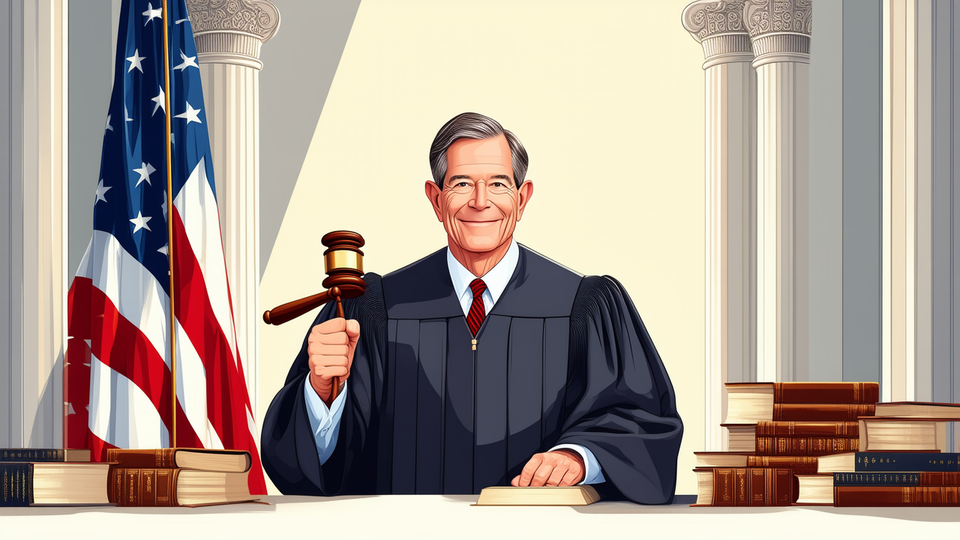
On July 7, 2026, a three‑judge panel of the 11th U.S. Circuit Court of Appeals issued a 2‑1 ruling that struck down the portion of the Act applied to state colleges. Judge Britt Grant, appointed by former President Donald Trump, wrote the majority opinion, joined by Judge Charles Wilson. The judges concluded that the statute “violates the First Amendment” by attempting to ban the discussion of ideas the state deems unpopular.
The dissent, penned by Judge Barbara Lagoa, argued that the state has a right to control the viewpoints endorsed by its professors. Nevertheless, the majority held that the government cannot forbid speech simply because it may cause “guilt, anguish or psychological distress” among students for actions of the past.
The lawsuit was brought by a coalition of university professors supported by the American Civil Liberties Union of Florida and the Foundation for Individual Rights and Expression. Professor LeRoy Pernell of Florida A&M University praised the decision, saying it allows scholars to “learn, discuss, and develop tools for combatting the complex issue of racism” without a gag order.
Impact on Higher Education
With the injunction now reinstated, public universities in Florida can resume curricula that include critical examinations of systemic racism, gender equity and historic injustices. Faculty members no longer face the threat of disciplinary action for teaching standard scholarship on these topics. The ruling also signals to other states that similar “woke” bans are vulnerable to constitutional challenge.
Supporters of the original law argued that it was intended to protect students from “indoctrination.” Opponents, including many educators, contend that the law was an attempt to erase essential historical context. The appellate decision restores academic freedom, reinforcing the principle that universities are places for open inquiry and debate.
Conclusion
The appeals court’s decision marks a significant victory for free speech and educational integrity in Florida. While the “Stop WOKE” provisions continue to affect K‑12 classrooms, higher education institutions can now teach without the constraints imposed by the challenged portion of the law. The case underscores the judiciary’s role in safeguarding constitutional rights against overly broad governmental restrictions.