Amber Heat‑Health Alert Hits Kent, Sussex and Surrey – June 19, 2026
Amber Heat‑Health Alert for Kent, Sussex and Surrey
On 19 June 2026 the UK Health Security Agency (UKHSA) issued an amber heat‑health alert for the South‑East of England, covering the counties of Kent, Sussex and Surrey. The alert follows forecasts of unusually high temperatures that could reach the low 30s Celsius, posing serious health risks to vulnerable groups.
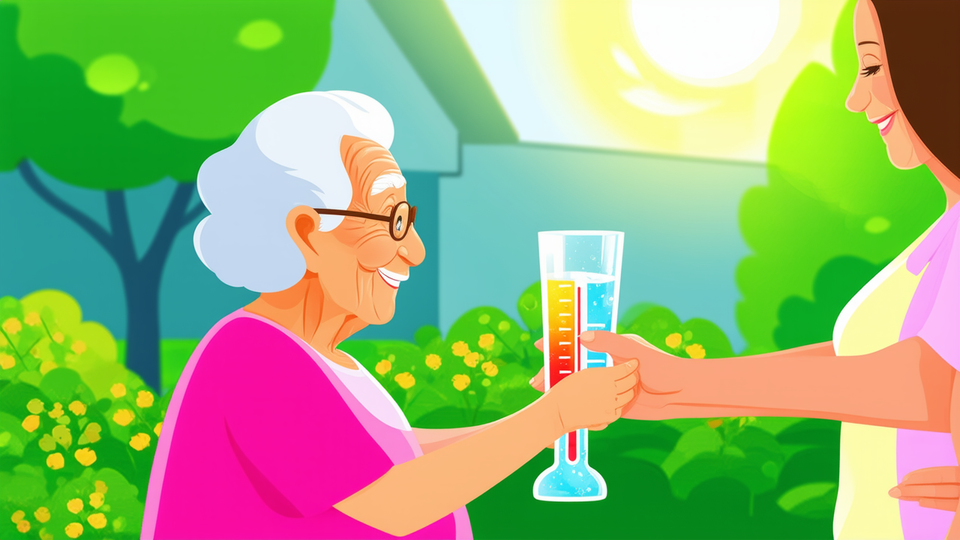
Health officials warned that the extreme heat could increase demand on local hospitals, ambulance services and care homes. NHS Kent and Surrey urged residents to stay hydrated, keep rooms cool and avoid the midday sun. Dr Kate Langford of NHS Kent and Medway highlighted that older adults, young children and people with chronic illnesses are most at risk, and that simple precautions can reduce the likelihood of heat‑related illness.
The UKHSA also cautioned about water‑related incidents, noting that cold‑water shock and drowning risks rise when people seek relief in the sea. The RNLI reminded swimmers to “float to live” if they become exhausted and to be aware of the cold water temperatures despite warm air.
Officials in the region have prepared additional resources, including extra staffing for emergency departments and public health messaging across local media. The alert is expected to remain in force until 20:00 BST on Tuesday, after which authorities will reassess conditions.
Residents are encouraged to monitor daily forecasts, use cooling methods such as fans or shaded areas, and check on neighbours who may need assistance. By taking proactive steps, communities can mitigate the health impacts of this heatwave while enjoying the summer weather responsibly.
Looking Ahead
While temperatures are expected to ease later in the week, the recent heat spell underscores the growing importance of heat‑health planning in the UK. Continued collaboration between health agencies, local councils and emergency services will be vital to protect public health during future extreme weather events.