African Nations Recalibrate Security and Economy Amid US‑Iran Conflict
Introduction
The escalating war between the United States‑Israel coalition and Iran has rippled across the continent, forcing African leaders to rethink long‑standing security and economic strategies. As oil markets wobble and shipping lanes face new threats, governments are scrambling to protect national interests while seizing emerging opportunities for greater autonomy.
New Diplomatic Openings
With traditional partners distracted, several African states see a chance to broaden diplomatic ties. Countries that once relied heavily on Western military assistance are now engaging more actively with alternative powers such as Russia, Turkey, and emerging Asian investors. This diversification reduces dependence on any single ally and invites fresh dialogue on trade, infrastructure, and security cooperation.
Shifts in Defence Spending
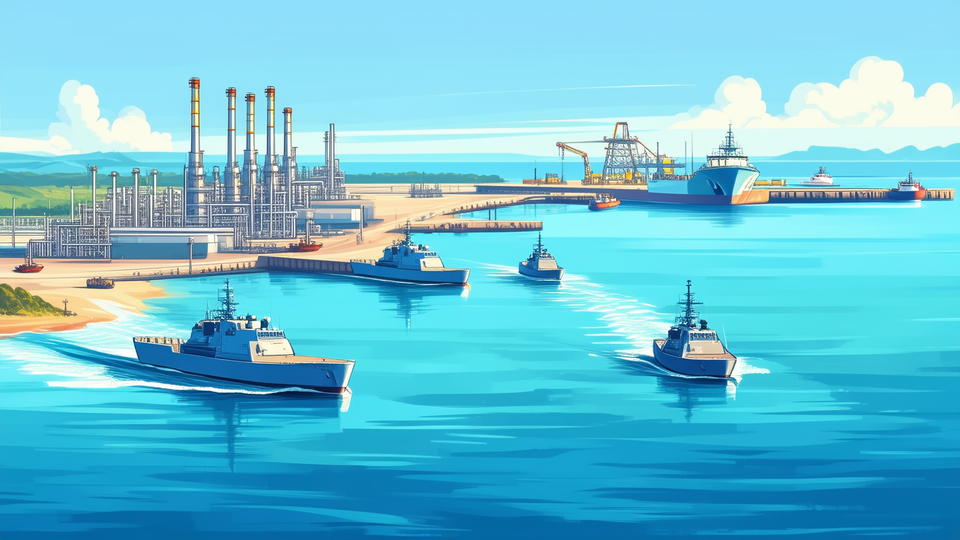
Uncertainty over the Red Sea and Gulf of Aden has prompted a surge in defence budgets across the region. Nations like Sudan, Nigeria and Ethiopia are allocating additional resources to modernise armed forces, enhance maritime patrols, and secure critical ports. At the same time, the competition among external powers to supply weapons and training creates a more competitive market, potentially lowering costs for African buyers.
Energy Diversification and Domestic Capacity
The conflict has highlighted Africa’s vulnerability to imported fuel and fertiliser. In response, policymakers are accelerating projects that expand domestic refining capacity. Nigeria’s Dangote Refinery, already operating at scale, is cited as a model for reducing reliance on foreign refined products. Similar proposals are under discussion in East Africa, where a multi‑nation refinery could lock in regional supply chains and stabilise prices.
Economic Realignments and Investment Trends
Investors are reevaluating risk exposure in light of the heightened geopolitical tension. Some European and Chinese firms are seeking to deepen footholds in African markets, attracted by the prospect of lower competition from Western capital. Simultaneously, the African Continental Free Trade Area (AfCFTA) gains renewed attention as a vehicle to boost intra‑continental trade, allowing countries to capture more value from their own resources.
Conclusion
While the US‑Iran confrontation introduces new challenges, it also opens a strategic window for African nations to assert greater control over their security, energy, and economic futures. By cultivating diversified partnerships, expanding domestic infrastructure, and leveraging regional trade mechanisms, the continent can turn external disruption into lasting resilience.