

World Cup Joy Dampened by Cartel Violence in Mexico
Introduction
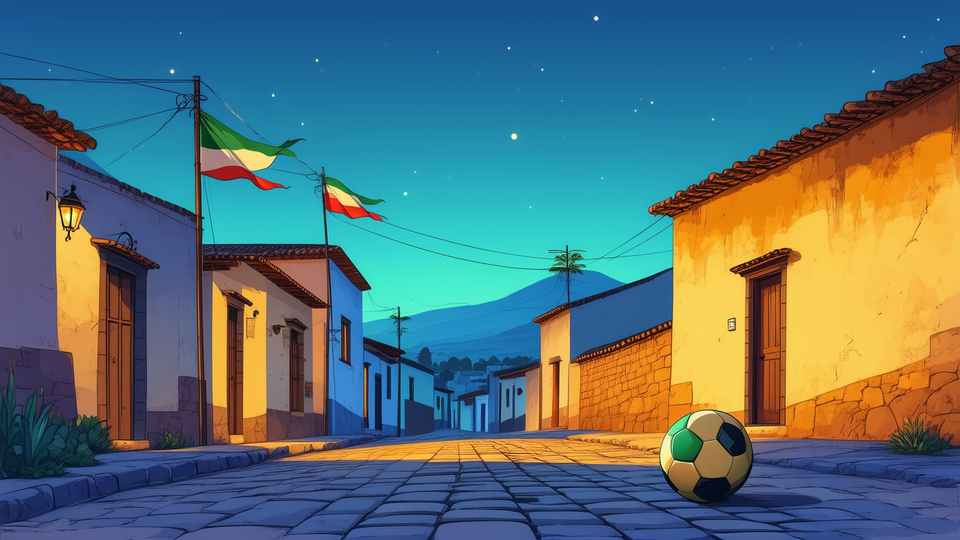
Mexico is co‑hosting the 2026 FIFA World Cup, and the tournament has sparked large outdoor celebrations in the three host cities of Mexico City, Guadalajara and Monterrey. Fans have filled streets, plazas and fan zones with flags and music, creating a festive atmosphere that showcases national pride.
Fear Limits Celebration in Violence‑Stricken Regions
In contrast, many communities across the country where cartel activity is intense experience the event behind closed doors. Residents of villages and towns where daily shootings are a routine describe how fear outweighs excitement. A lime grower from Michoacán, a state with a high concentration of rival criminal groups, explained that “we’re nervous” and reported that cartels have even launched explosives from drones over nearby ranches during matches.
In Culiacán, the capital of Sinaloa, the presence of competing factions of the Sinaloa Cartel has turned the area into a near‑war zone for almost two years. When the opening game took place, the restaurant owned by chef José Miguel Taniyama served only two tables. He noted that sales remain below the level seen during earlier World Cups, and that once a match ends, “people run home” because of the lingering threat of violence.
Further north in Poza Rica, on the Gulf of Mexico, the streets were empty after Mexico’s match against North Korea. Local businessman and soccer player Guillermo Núñez said that celebrations have vanished, and that the recent killing of two journalists near his home has “stolen even the desire to go out and watch soccer.”
Even in towns such as Miguel Alémán on the Texas border, residents say that recent improvements have reduced the length of shootings, allowing neighbors to speak on doorsteps, yet the fear of abductions and ongoing criminal presence remains a daily reality.
Economic and Social Impact
The clash between jubilation and insecurity has tangible economic consequences. Small‑scale venues and pubs that might have expected a surge in patrons report low attendance. In Uruapan, Michoacán – the site of a recent mayoral assassination – hundreds of young people gathered after a victory, but they did so under the watchful eyes of security forces, highlighting the lingering tension.
Government data released by President Claudia Sheinbaum’s administration shows a decline in homicides, with an average of 50.4 deaths per day from January through May, the lowest in a decade, and a further drop to 39 per day in June. Analysts caution that despite the statistical improvement, disappearances and violent incidents continue to shape daily life in many regions.
Conclusion
While the World Cup provides a moment of national unity and joy in Mexico’s major cities, the reality for millions living under the shadow of organized crime is markedly different. Fear restricts public gatherings, dampens economic benefits for local businesses, and underscores the ongoing challenge of security reform. The tournament therefore serves as both a celebration of sport and a stark reminder of the social divisions caused by cartel violence.





