

Why Scratching Bug Bites Can Worsen Your Skin – Science Explains
Introduction
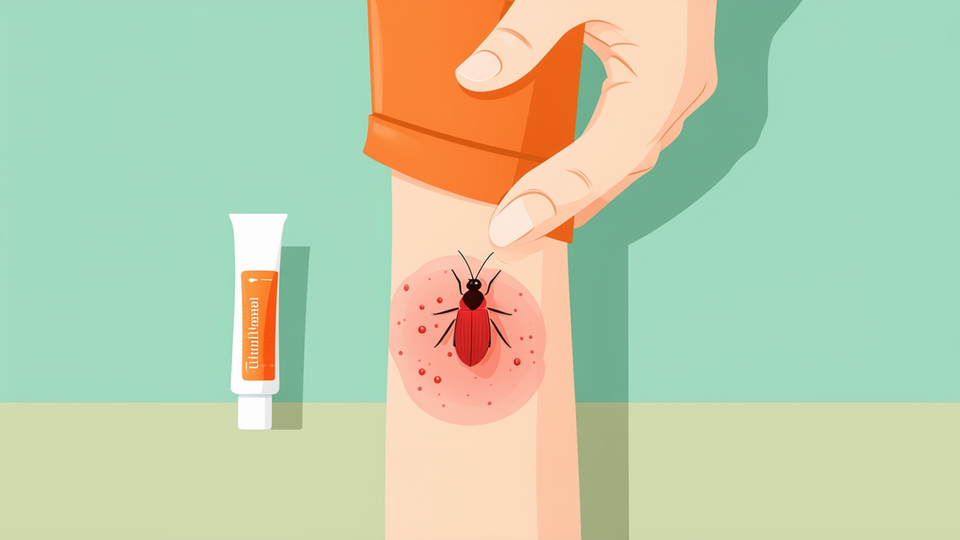
Most people have heard the childhood warning, “Don’t scratch that bug bite.” While the advice feels familiar, recent scientific studies reveal why the warning is more than old wives’ lore. Researchers at the University of Pittsburgh discovered that the act of scratching sets off a cascade of immune responses that make the bite larger, more painful, and more vulnerable to infection.
Why Scratching Harms
When a bug bite or other skin irritation is left alone, the body’s natural response is modest swelling that often subsides within minutes. However, when the area is scratched, inflammatory immune cells rush to the site, leading to visibly larger swelling and prolonged redness. In mouse experiments, animals that were prevented from scratching using protective “cones of shame” showed far less swelling and fewer immune cells compared to those that scratched freely.
The Science Behind It
Two key players drive the harmful effects of scratching. First, mast cells release histamine, a well‑known trigger of itch. Second, the pain‑sensing nerves release a messenger called substance P. This chemical activates mast cells through a different molecular pathway, creating a double whammy that amplifies inflammation. The combined release of these compounds not only heightens the itch but also encourages additional immune activity that can damage the skin.
Researchers also noted that scratching may have a limited upside: mice that scratched showed lower levels of the common skin bacterium Staphylococcus aureus, suggesting mast‑cell activity can help fight certain germs. Nonetheless, the overall impact of scratching remains detrimental, outweighing any modest antibacterial benefit.
Safer Alternatives
Breaking the itch‑scratch cycle is essential for faster healing. Over‑the‑counter antihistamines can reduce histamine‑driven itching, while topical treatments such as hydrocortisone cream, calamine lotion, or oatmeal baths soothe the skin without causing further damage. Menthol‑containing creams create a cooling sensation that temporarily tricks the nerves into feeling cold instead of itchy, giving the mind a “cheat code” to resist scratching.
Scientists are also exploring new drug targets, such as MRGPRX2 blockers, which aim to interrupt the substance P pathway. Though still under investigation, these approaches hold promise for future treatments of chronic itch conditions like eczema.
Conclusion
Scratching a bug bite may offer immediate relief, but it ultimately worsens swelling, inflammation, and infection risk. Understanding the underlying biology—mast‑cell activation and the role of substance P—highlights why avoiding scratching is the best strategy. Simple, non‑scratching remedies like antihistamines, soothing balms, and menthol creams can break the cycle, allowing the skin to heal quickly and safely.





