Vice President JD Vance says anyone selling White House access must face consequences
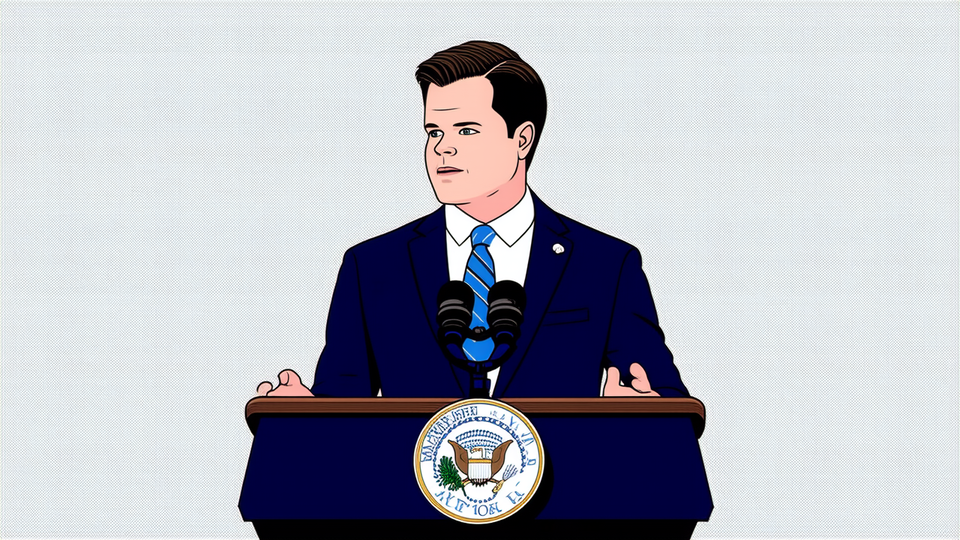
Vice President JD Vance told reporters in Washington, D.C., on Thursday, Oct. 16, 2026, that anyone selling access to the White House should face consequences.
The comment came amid renewed scrutiny of alleged pay‑to‑play behavior within the administration. Vance said he would not pass judgment based solely on news reports, insisting that any determination must be grounded in verified facts.
"First of all, if somebody's selling access to the White House... that's disgusting and despicable and they should suffer consequences," Vance said. "I want to make those judgments based on the facts and not based on a random news media report that I read."
The remarks follow a week of media coverage about former ambassador Kimberly Guilfoyle’s resignation after accusations that she used her position to solicit money and gifts in exchange for access to senior officials. Reports linked her conduct to a broader pattern of alleged influence‑peddling that has raised questions about ethical standards in the executive branch.
Vance also reiterated a prior pledge to honor any Democratic‑led subpoenas investigating officials suspected of selling access, should Congress shift control this fall. In an earlier interview, he affirmed his commitment to obey the law and cooperate with investigations.
While the vice president stopped short of naming specific individuals, his statements signal an intent to enforce stricter oversight of White House interactions with donors and lobbyists. Critics have argued that the administration must move beyond rhetoric to implement concrete safeguards against corruption.
The White House has not released an official policy change, but the vice president’s comments are likely to shape forthcoming internal reviews and congressional inquiries. Observers expect that any substantiated violations could lead to disciplinary action or referrals to the Department of Justice.
Vance concluded by emphasizing that the administration will rely on factual evidence before taking any punitive steps, a stance that may set the tone for how the executive branch addresses future allegations of pay‑to‑play behavior.