

Venezuelan Earthquake Crisis and U.S. Protected Status Threat
Introduction
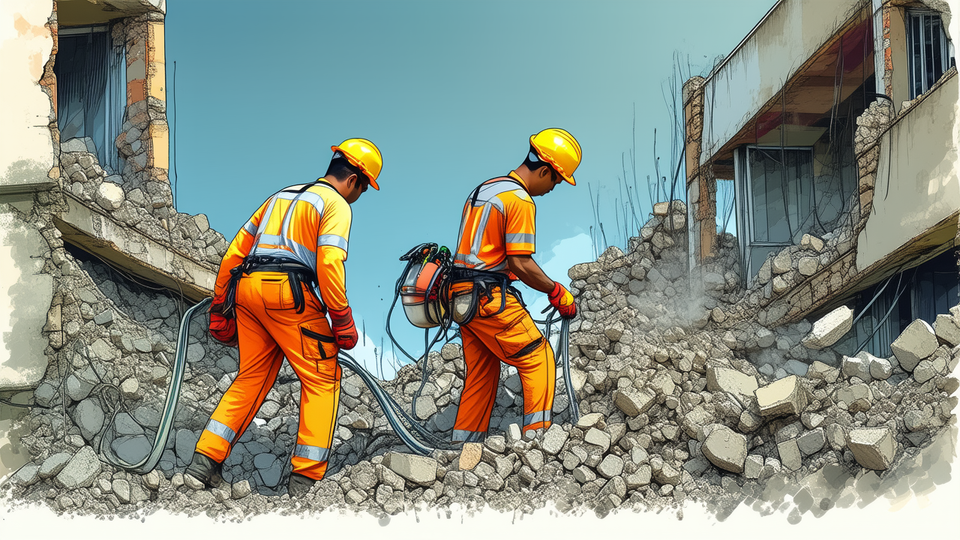
In late June 2026, two powerful quakes measured 7.2 and 7.5 on the Richter scale struck west of Caracas, Venezuela. Buildings collapsed within minutes, more than 900 people were confirmed dead and over 3,000 injured. The disaster reverberated far beyond the border, pulling the eyes of the global community toward a nation already strained by economic hardship.
Human Impact and Diaspora Response
Venezuelan families living in the Washington, DC metro area felt the tremor from afar. Residents like Carmelo Antonio, who has not heard from his father for nearly 48 hours, cling to hope as news filters through social media. Local Venezuelan‑run establishments such as Arepa Zone in downtown D.C. have become donation hubs, gathering clothing, medicine, diapers, baby formula, and water to support relatives back home. The owners stress the importance of community action, noting that even small contributions help sustain those in the disaster zone.
Policy Threat to Protected Status
Amid the rescue effort, journalist Mariana Atencio appeared on CNN This Morning to warn of a parallel emergency: a pending U.S. policy change that could strip the Temporary Protected Status (TPS) from Venezuelan immigrants. TPS, granted in response to the ongoing crisis, allows thousands to live and work legally in the United States. If rescinded, these individuals would risk losing employment authorization, access to essential services, and the ability to remain with their families.
The proposed policy shift comes as the United States evaluates immigration statutes, but critics argue that removing TPS during a natural disaster would betray humanitarian commitments. The Venezuelan diaspora in the United States has already mobilized to support relief, and losing legal protection would amplify the vulnerability of those who depend on steady employment to send aid across borders.
Community Resilience and Call to Action
Volunteer groups, faith‑based organizations, and local businesses continue to rally resources. The Virginia Task Force 1 search‑and‑rescue team has been dispatched to Venezuela, while Fairfax County Urban Search and Rescue teams prepare for deployment. Meanwhile, community leaders urge lawmakers to preserve TPS, emphasizing that stability for immigrants translates into stronger support for relief operations abroad.
Donations flow into the Arepa Zone collection point, with contributions accepted through Sunday. Voices from the diaspora stress that “those of us abroad need a way to feel we are doing something,” highlighting the intertwined nature of humanitarian aid and immigration policy.
Conclusion
The twin crises of a catastrophic earthquake in Venezuela and an uncertain U.S. immigration policy underscore the fragility of vulnerable populations. As rescue crews search for survivors, the Venezuelan community in the United States stands ready to assist, yet faces a looming threat to their legal status. Preserving TPS would protect the families that are already sending aid, ensuring that compassion extends both across borders and within the nation’s own immigrant population.





