

Utah’s Cottonwood Fire Rages as Critical Fire Weather Fuels Record‑Breaking Blaze
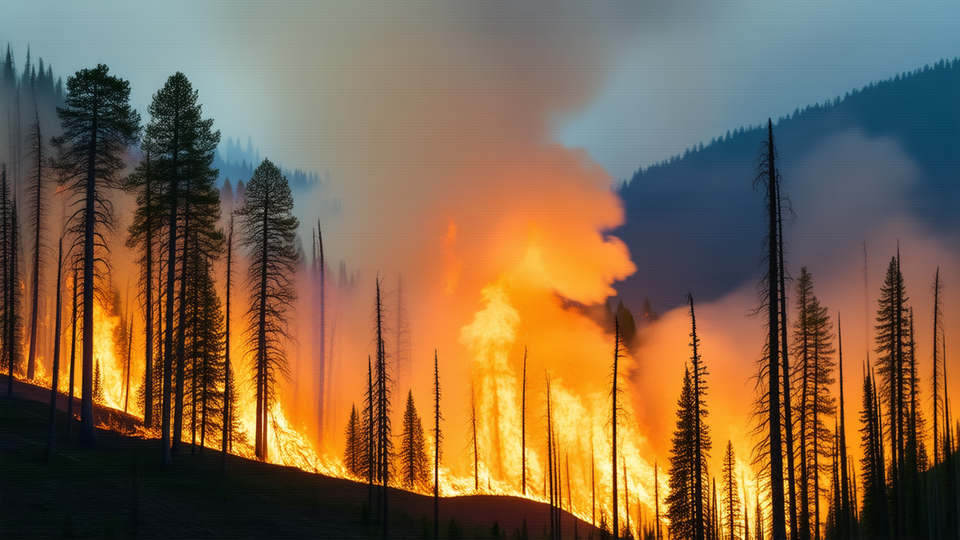
Cottonwood Fire Rages Across Utah
On June 27, 2026 a massive wildfire erupted in the sparsely populated southern region of Utah. Within hours, the blaze—named the Cottonwood Fire—expanded to cover more than 112 square miles (approximately 290 square kilometers), making it the largest fire ever recorded in the United States at that time. The rapid growth was driven by unprecedented fire‑weather conditions: wind gusts reached 45 miles per hour, humidity fell into the single‑digit range, and temperatures remained scorching.
Fire managers and experts described the situation as “unprecedented,” noting that the extreme dry fuels, high winds, and heat created perfect conditions for a megafire. Air tankers and helicopters were grounded as winds intensified, limiting aerial suppression options. The fire surged through treetops, producing crown runs and spotting that further accelerated its spread.
Governor Spencer Cox responded by declaring a state of emergency and imposing a temporary restriction on fireworks through July 5. The restriction aimed to reduce the risk of accidental ignitions amid the critical fire‑weather. Red‑flag warnings stretched from Idaho to southern Arizona, with forecasts predicting winds of 25 to 35 miles per hour in northern Arizona and central to southern Utah. The National Interagency Fire Center reported that nearly three million acres had burned nationwide since the start of the year, underscoring a broader trend of increasing wildfire activity.
Utility companies, including Rocky Mountain Power, issued public‑safety power shutoff warnings for central, southern, and eastern Utah, citing the same hazardous weather factors. These preventative outages are intended to limit electrical sparks that could ignite already vulnerable landscapes. Communities such as Marysvale experienced darkened skies as ash fell like rain, and the Eagle Point ski resort suffered significant damage.
Experts emphasized that as long as the region remains hot, dry, and windy, the fire threat will persist. The combination of historic drought, early snowpack melt, and fierce windstorms represents a shift in fire behavior that defies historical expectations. Authorities warned that further restrictions could be expected around the July 4 holiday, and emphasized the importance of public awareness and preparedness.
The Cottonwood Fire serves as a stark reminder of the growing megafire risk in the western United States. It highlights the need for robust fire‑management policies, resilient infrastructure, and community education to protect lives and natural resources in an era of intensifying climate‑driven hazards.
Despite the challenges, firefighters continue to make progress, and coordinated suppression efforts across state and federal agencies aim to bring the blaze under control while safeguarding nearby communities.





