

US‑Iran Deal Faces New Strain as Israel‑Hezbollah Clashes Escalate
Impact of Israel‑Hezbollah Conflict on the US‑Iran Deal
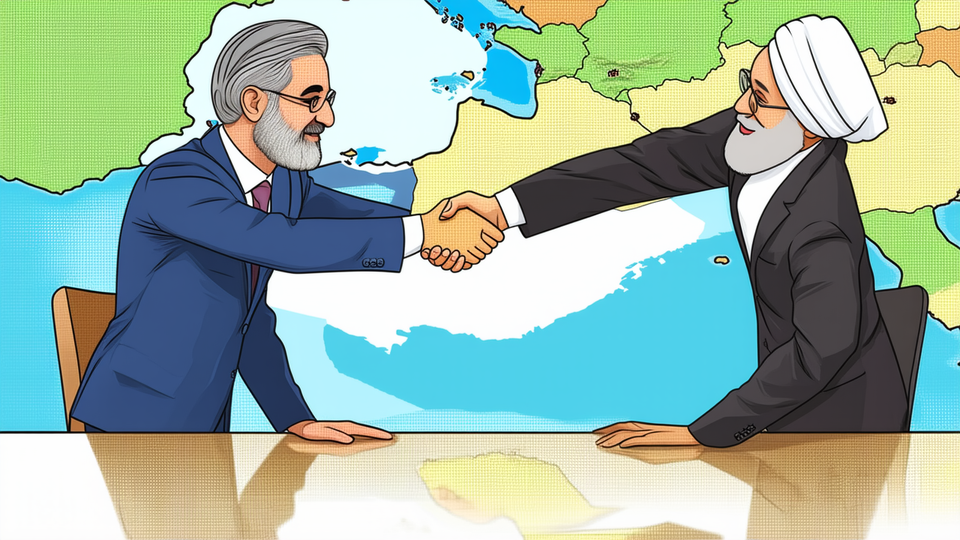
The United States and Iran signed a deal in early June 2026 that was intended to end a war triggered on February 28 by US‑Israeli strikes that resulted in the death of Iran’s Supreme Leader, Ayatollah Ali Khamenei. The agreement, signed by President Donald Trump and Iranian counterpart Masoud Pezeshkian, also promised to halt hostilities in Lebanon, where Iran has long supported Hezbollah.
Within days of the signing, Israel launched a large‑scale operation in southern Lebanon, targeting more than eighty Hezbollah positions. Israeli officials reported that dozens of Hezbollah fighters were killed, while Lebanon claimed eighteen civilians died in the airstrikes. Israel also suffered four troop casualties, prompting Prime Minister Benjamin Netanyahu to declare that the Israeli army would remain in Lebanon “as long as necessary” and that Hezbollah would pay a “heavy price.” The far‑right Israeli National Security Minister, Itamar Ben Gvir, escalated rhetoric by calling for “all of Lebanon” to burn.
These hostilities forced the postponement of the planned US‑Iran talks in the Swiss resort of Burgenstock. The Swiss foreign ministry confirmed the delay but reiterated its readiness to host the delegations. Diplomatic sources from the United Arab Emirates described two “spoilers”: Israel’s dissatisfaction with the agreement and hard‑line opposition within Iran. Iranian negotiator Mohammad Bagher Ghalibaf warned that any negotiation must respect Tehran’s red lines, stating that Iran’s “finger is still on the trigger” and that a “crushing response” would follow any excessive actions.
U.S. Vice President JD Vance expressed frustration, telling the New York Times that “you can’t just kill your way out of solving every single national security problem.” Meanwhile, Iran’s new Supreme Leader, Ayatollah Mojtaba Khamenei, approved the accord despite holding a “different view.” The agreement also included an immediate reopening of the Strait of Hormuz, a critical oil shipping lane that had been effectively closed during the war. On the day of the postponement, twenty‑five commercial vessels crossed the strait, marking the highest traffic since mid‑April.
In response to the renewed clashes, the United States lifted its naval blockade of Iranian ports, allowing ships to resume normal operations while maintaining a naval presence in the region. The deal also committed Washington to waive oil sanctions that had crippled Iran’s economy and promised a $300 billion reconstruction fund once a final agreement on Iran’s nuclear programme is reached.
Analysts warn that continued fighting in Lebanon could undermine the broader peace process, delay economic recovery, and risk a resurgence of regional instability. The fragile cease‑fire and the multinational reconstruction effort hinge on both sides honoring the agreement’s terms while addressing the security concerns that have reignited on the ground.
In conclusion, the Israel‑Hezbollah escalation has placed the newly signed US‑Iran deal under significant strain. While diplomatic channels remain open, the path toward lasting peace will require careful navigation of red lines, renewed commitment to cease‑fire adherence, and sustained international support for the reconstruction and de‑escalation efforts.





