

UK to Ban Social Media for Under‑16s Starting 2027
Introduction
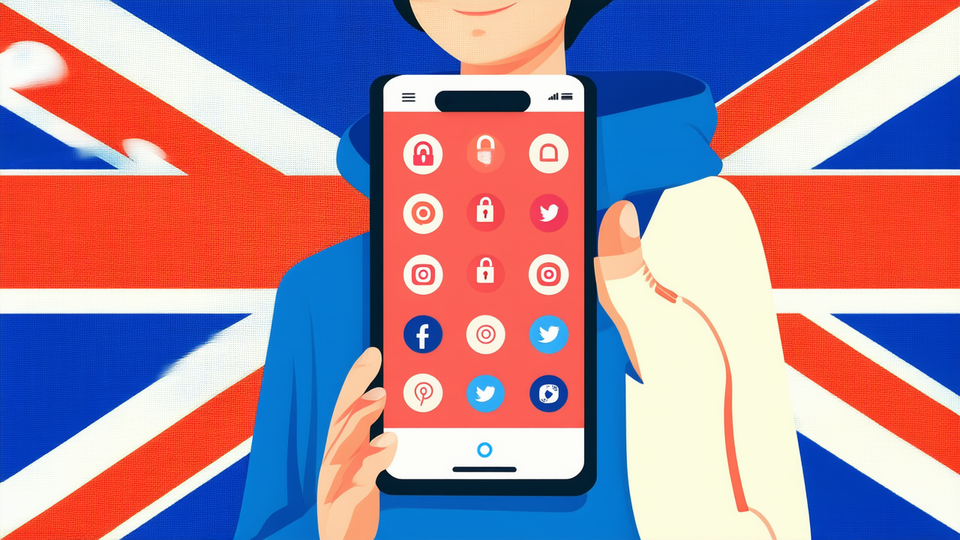
The United Kingdom has confirmed a landmark policy that will prohibit children under the age of 16 from accessing the major social media platforms that dominate daily life. Announced in June 2026, the ban is scheduled to be enforced in spring 2027, joining a growing global trend of stricter digital safeguards for minors.
How the Ban Will Work
Under the new rules, services such as TikTok, Instagram, Snapchat, YouTube, Facebook and X will be prohibited from offering any features to users under 16. The legislation explicitly exempts messaging apps that enable private communication, including WhatsApp and Signal, and it also protects learning resources, news sites and gaming platforms that lack social feeds. Companies will be required to implement robust age‑verification systems rather than relying on a simple birthdate entry, and the burden of compliance will fall on the platforms themselves, with heavy fines for non‑compliance. Gaming services will also see tighter controls on livestreaming and AI chatbots for under‑18 users.
Public Response and International Context
Public backing for the ban is overwhelming – nine in ten parents surveyed supported the move. Ofcom data from 2025 showed that 95 % of 13‑ to 15‑year‑olds already maintain personal social media profiles, with 96 % owning a smartphone. The United Kingdom’s approach mirrors an earlier Australian ban introduced in December 2025, which produced mixed outcomes. While 61 % of Australian parents reported improved in‑person socialising, a large majority of teens continued to evade restrictions, often shifting to less regulated platforms. Experts such as Lena Chauhan caution that the legislation could shift parental responsibility onto the state, potentially reducing active dialogue at home. She also warns that age‑verification may increase surveillance concerns, as it requires broader identity‑checking infrastructure.
What Families Can Do Now
Even before the law takes effect, parents can adopt practical steps to safeguard their children’s digital wellbeing. Establish screen‑free windows around meals, bedtime and the first half‑hour after school, and model the same behavior. Review privacy and content settings together, turning off autoplay and tightening who can message. Use the ban’s public debate as a conversation starter, asking children what they would miss and how they might adapt. Address any immediate concerns rather than waiting for the ban, and encourage responsible online habits that will persist regardless of legislation.
Conclusion
The upcoming ban represents a bold effort to reshape the online environment for UK teenagers, drawing on cultural pressure, political will and public health concerns. While it may curb risky exposure for some families, experts highlight enforcement gaps and the risk of unintended privacy trade‑offs. The most effective outcome will likely combine the legal framework with ongoing parental engagement and education, ensuring that the digital landscape becomes safer without sacrificing open dialogue.





