U.S. naval blockade of Iran intensifies as midterm election approaches
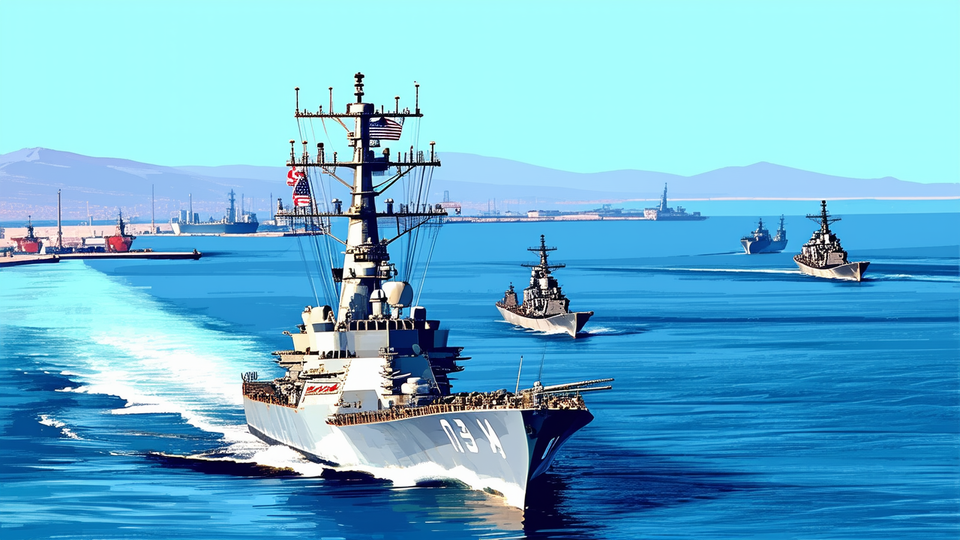
U.S. forces resumed a naval blockade of Iranian ports on July 14, 2026, and by Oct. 5 the operation had redirected the 130th commercial vessel attempting to enter or leave Iranian ports, disabled three ships that refused to comply, and destroyed 13 vessels tied to Iran’s Revolutionary Guard over the prior 12 weeks.
The blockade follows Operation Epic Fury, the U.S. campaign that began on Feb. 28, 2026, alongside Israel’s Operation Roaring Lion. After a brief peace agreement in June fell apart in July, the United States re‑imposed the blockade, which Pentagon officials describe as “ironclad.”
Iran’s Parliament Speaker Mohammad Bagher Ghalibaf announced on Oct. 4 that the Strait of Hormuz will not reopen until seven conditions from the Islamabad agreement are met, including an end to the blockade, the release of frozen assets, removal of oil sanctions, a halt to military action, withdrawal of U.S. forces from Iran’s approaches, and compensation for war damage.
The maritime standoff has lifted Brent crude to around $100 a barrel, and the American Automobile Association reported the national average for regular gasoline at $4.41 per gallon on Oct. 1, up from a September record high of $4.33. These price spikes have fed a surge in voter anxiety about the cost of living.
Polling shows inflation and everyday expenses are the top concerns for 37 % of voters, while only 2 % name the Iran war as their most important issue. Yet 86 % of respondents believe the war has worsened the cost of living, and 68 % say it has not been worth fighting. Approval of President Trump’s handling of the war sits in the mid‑30s, according to Reuters and Ipsos surveys.
On Sept. 24 the Senate rejected a war‑powers resolution that would have required the president to withdraw U.S. forces absent a formal declaration of war, losing by a single vote, 50‑49. Four Republican senators joined Democrats in the defeat, underscoring growing bipartisan unease.
President Trump has repeatedly told voters the conflict will end “immediately after the election” because Iran cannot hold out longer, while warning that any post‑election escalation could resume. He also noted that gasoline prices would take “a little bit longer than the midterm” to fall.
As the Nov. 3 midterms near, candidates on both sides are confronting the war’s impact on energy costs and public sentiment, and upcoming campaign rallies are likely to feature the blockade’s fate as a central talking point.