U.S. forces destroy Iranian‑affiliated dhow targeting Navy ships in Gulf of Oman on Oct. 6, 2026
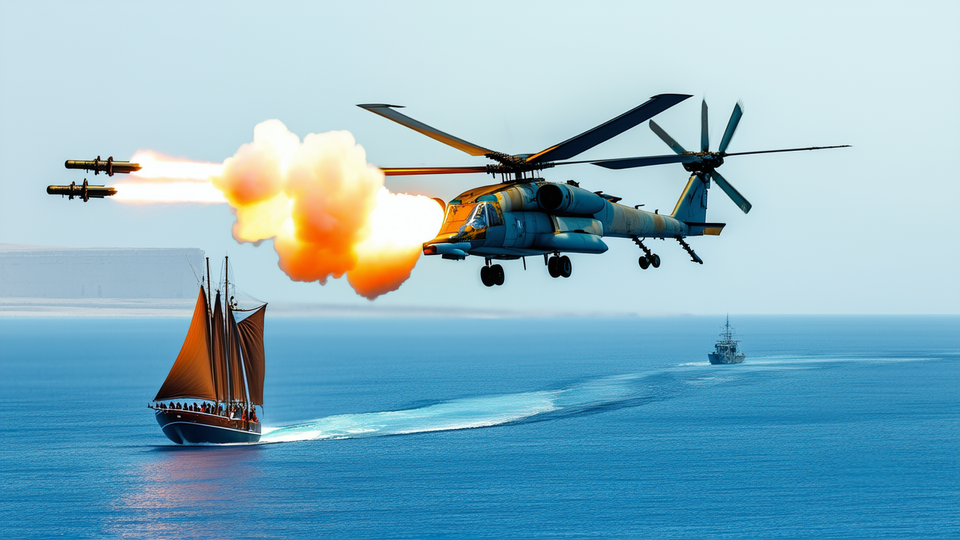
On Oct. 6, 2026, U.S. Marine Corps Apache helicopters fired missiles at an Iranian‑affiliated dhow that was conducting surveillance and targeting U.S. Navy ships in the Gulf of Oman.
The strike was carried out after the vessel’s crew was safely evacuated, allowing U.S. forces to destroy the dhow without loss of life. The operation, confirmed by U.S. Central Command, underscores Washington’s ongoing campaign to counter Iranian Revolutionary Guard Corps (IRGC) activities against maritime traffic.
Centcom said the dhow was part of a pattern of IRGC‑linked boats that blend into commercial shipping to gather intelligence on U.S. naval movements. Over the past seven months, the IRGC has indiscriminately targeted thousands of civilian mariners and U.S. warships, prompting heightened security measures in the strategically vital Strait of Hormuz and surrounding waters.
According to the official statement, the two Apache helicopters launched precision missiles that struck the dhow’s hull, rendering it inoperable. Crew members were removed before the missiles hit, and repatriation efforts for the sailors are ongoing.
Iran’s use of small speedboats and traditional dhows reflects a tactical shift after losses to the U.S. navy. By masquerading as ordinary commercial vessels, these crafts aim to evade detection while gathering data on naval patrols and shipping lanes.
The Gulf of Oman incident follows other recent regional escalations. Iran‑backed Houthi forces fired missiles at Saudi Arabia’s King Khalid International Airport, killing twelve and injuring hundreds. Earlier in the week, U.S. forces disabled the Panama‑flagged cargo ship Ocean Molica after its crew ignored multiple warnings and attempted to breach a naval blockade.
Centcom emphasized that the destruction of the dhow is part of a broader effort to safeguard maritime commerce and maintain freedom of navigation. The United States continues to monitor IRGC maritime operations, with additional sorties and surveillance missions planned to prevent further threats to naval and civilian vessels.