U.S. and Catholic Church Expand Relief Efforts After Devastating Venezuelan Earthquakes
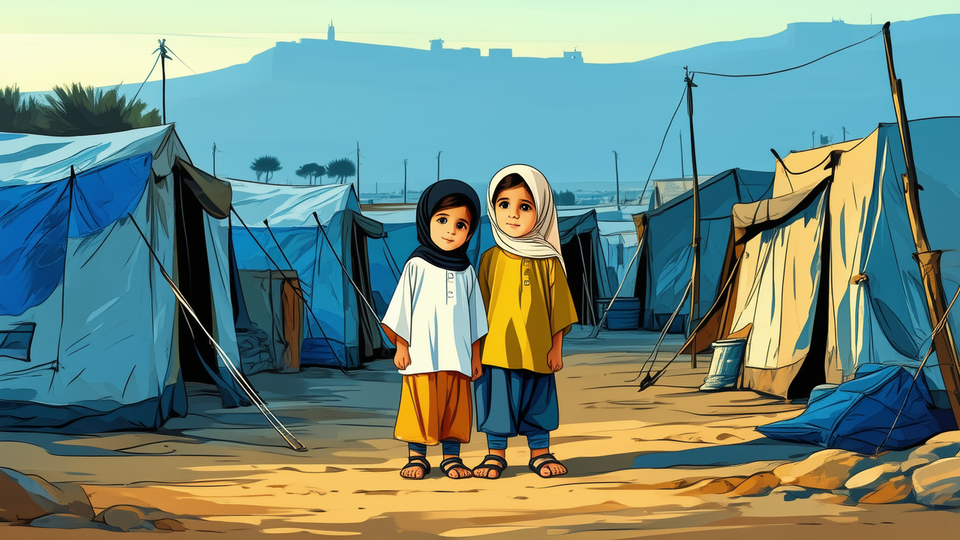
The powerful magnitude‑7.2 and 7.5 earthquakes that struck Venezuela in late June 2026 left more than 1,700 dead, thousands injured and hundreds of thousands homeless. Collapsed buildings, damaged hospitals, and disrupted utilities created a deepening humanitarian crisis, with survivors facing shortages of food, water and safe shelter.
Government Coordination and Funding
The United States responded with a whole‑of‑government effort, committing $150 million in humanitarian assistance. The State Department allocated $50 million to partner NGOs—including Catholic Relief Services, Caritas, World Vision, the International Organization for Migration and the World Food Programme—while another $100 million was directed to the United Nations Office for the Coordination of Humanitarian Affairs’ pooled fund for Venezuela. The Department also deployed three urban search‑and‑rescue teams, roughly 300 first‑responders, and two dozen C‑17 transport aircraft delivering emergency supplies daily. Pentagon resources repaired the port of La Guaira to enable sea‑borne aid, and a Disaster Assistance Response Team helped restore air traffic after the Simón Bolívar International Airport’s control tower was damaged.
Church Mobilization and Community Support
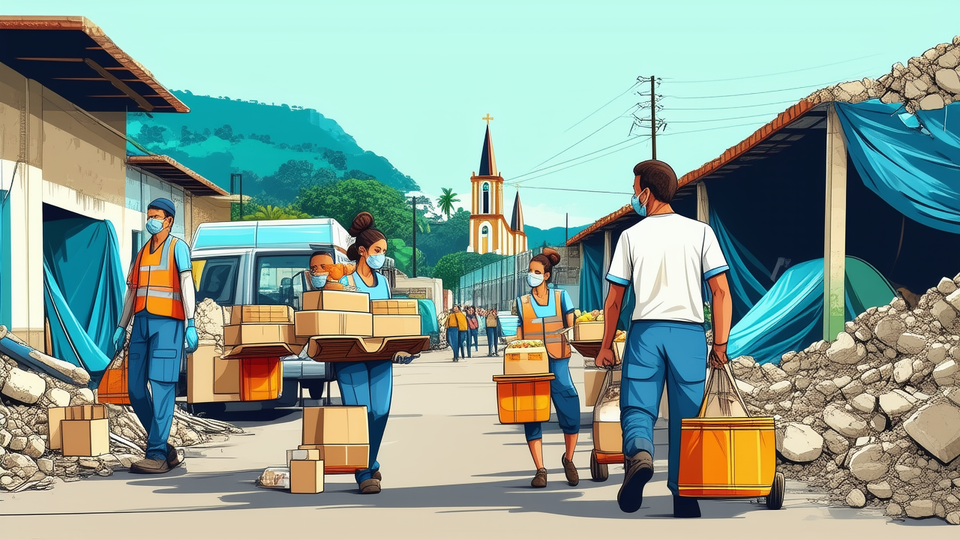
Parallel to the federal effort, the Catholic Church expanded its relief operations. Pope Leo XIV announced an initial $114,223 emergency donation through the Apostolic Almoner’s Office, coordinated by the apostolic nuncio and the Archdiocese of Caracas. Local dioceses, Caritas Venezuela and parish networks opened churches as emergency shelters, distributed food and clean water, and provided medical care to the displaced. Archbishop José Luis Azuaje Ayala called on government agencies, civil society and private companies to continue collaborative support, emphasizing the ongoing need for shelter, food, and psychological care for families who have lost loved ones.
Challenges and Ongoing Needs
Despite the rapid influx of resources, challenges remain. Aftershocks—including a 4.6‑magnitude tremor reported on June 29—continue to threaten already weakened structures. Damage assessments indicate that nearly 58,870 buildings were damaged or destroyed, and the United Nations estimates that up to 6.8 million Venezuelans could be affected by loss of electricity, water and health services. The Red Cross expects its relief work to span at least two years for an estimated 300,000 people. Coordination between U.S. military logistics, international NGOs, and local church volunteers is essential to prevent duplication and ensure aid reaches remote mountain communities.
Together, the United States and the Catholic Church have created a multifaceted response that blends governmental resources, technical expertise, and community‑based compassion. Their joint effort underscores a shared commitment to human dignity, health, and recovery for a nation struggling under the weight of a natural disaster.