Tucson sued for banning evangelism at public Christmas festival
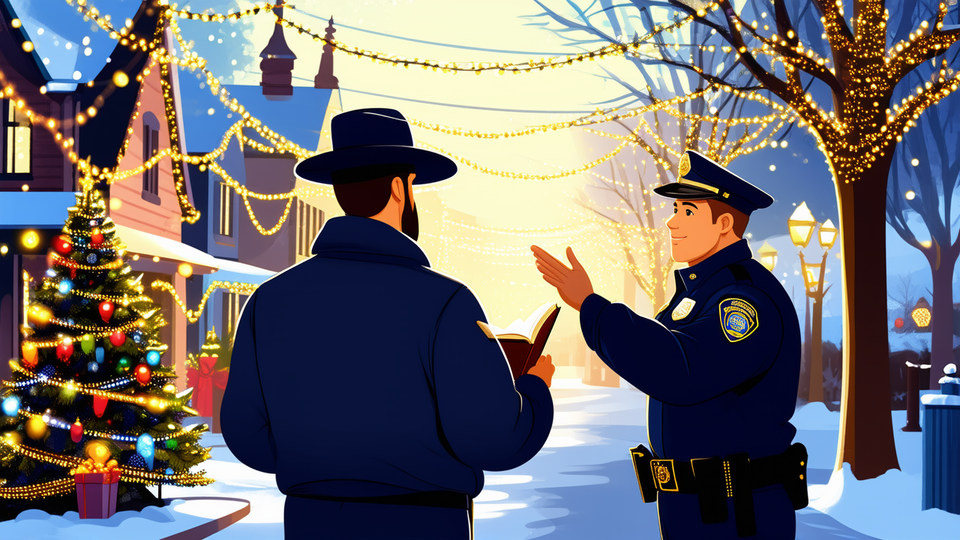
David Hoffman filed a federal lawsuit on Oct. 14, 2026, alleging that the city of Tucson and two police officers illegally barred him from sharing the gospel at the Winterhaven Festival of Lights, a two‑week public Christmas event held on city streets.
The complaint says officers repeatedly warned Hoffman that any vocal evangelism, even at a normal conversational volume, would lead to arrest because the event’s permit prohibited religious messaging. Instead of allowing him to speak on the public streets, the city forced him into an off‑site “free expression zone” where he would have to shout over traffic to be heard.
Hoffman argues the city’s policy violates both the First Amendment and the Arizona constitution by discriminating against religious speech and by granting permit holders unchecked discretion over content. He also cites a breach of his 14th Amendment due‑process rights, noting that the policy lets officials enforce the ban arbitrarily.
“Censoring a Christian message during a public Christmas event is malicious, unconstitutional, and absurd,” senior counsel Nate Kellum of the First Liberty Institute said. “The government cannot ban only religious messages.”
Co‑counsel Matt Scorcio of Gibson, Dunn & Crutcher added that Tucson “cannot limit free speech to remote, isolated areas where no one can hear or see a message.” The lawsuit seeks nominal damages for the constitutional violations, a declaration that the city’s policy is unlawful, and reimbursement of attorney’s fees.
The festival’s website has displayed a “Freedom of Speech” policy since 2022, stating that advocacy of any ideology must be treated the same as other groups, yet its FAQ and on‑site signage explicitly prohibit “political and religious messaging, proselytizing” and direct dissenters to the free‑expression zone. The signs claim enforcement is content‑neutral while forbidding religious solicitation, creating what the complaint calls a “confusing” and contradictory framework.
Legal precedents cited in the suit include a 2021 Supreme Court decision that upheld nominal damages for non‑economic harm in a similar evangelism case, as well as rulings protecting on‑field prayer, religious expression in public parks, and opposition to compelled participation in same‑sex weddings.
City officials have not responded to requests for comment. The lawsuit proceeds amid broader national debates over the scope of free‑speech zones and the treatment of religious expression in public forums.
The case is set for a hearing later this year, with the plaintiffs hoping a ruling will reaffirm the right of Christians to evangelize in public spaces without undue restriction.