

Trump’s Latest False Claim Unsettles Fact‑Checkers: A Growing Trend of Misinformation
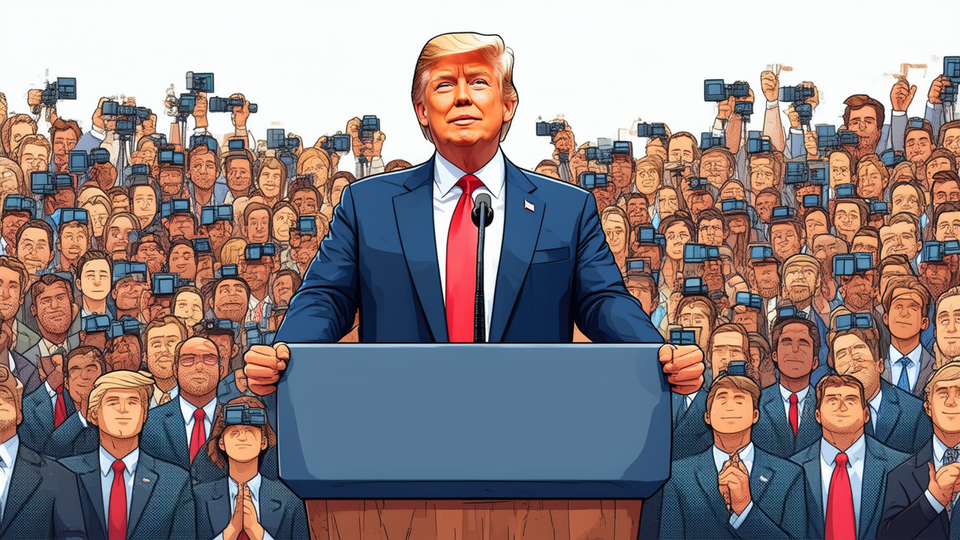
On June 20, 2026, CNN’s Daniel Dale called attention to the former President’s latest dubious claim: that Italian Prime Minister Giorgia Meloni “begged” him for a photo at the G7 summit. Meloni’s office swiftly dismissed the allegation, labeling it a “completely made‑up” story. Dale, a veteran fact‑checker, reminded viewers that this is not an isolated incident. Over the past decade, Trump has repeatedly asserted that various politicians, foreign leaders, and even private citizens have “begged” him for favors, meetings, or financial assistance.
These accusations often surface during moments when former allies turn critical of Trump’s policies. In this instance, the claim emerged shortly after Meloni publicly opposed Trump’s position on the Iran war and tariff disputes, illustrating a familiar pattern: Trump’s defamation intensifies when former supporters distance themselves.
Beyond the Meloni episode, Dale cited past examples, such as former Republican operative Cheri Jacobus, who claimed she was turned down for a job after a Trump‑staffed outreach, and conservative activist Brent Bozell, who recounted a 2016 encounter in which Trump alleged Bozell was “begging for money like a dog.” While these stories were widely publicized, they have never been substantiated with verifiable evidence.
The persistence of these false narratives raises crucial questions about the impact of misinformation on public discourse. Critics argue that Trump’s repeated fabrications erode trust in political institutions and distract from substantive policy debates. Supporters, however, contend that the president’s remarks are merely rhetorical tactics aimed at highlighting perceived biases against him.
Media outlets, including CNN, Bloomberg, and independent fact‑checking organizations, continue to scrutinize Trump’s statements, emphasizing the need for rigorous verification in an era of rapid information spread. As the former president remains a dominant figure in American politics, his propensity for exaggeration is likely to persist, prompting ongoing vigilance from journalists and fact‑checkers alike.
Ultimately, the latest claim about Meloni adds to a growing catalog of unverified assertions that illustrate a broader trend: former President Trump’s penchant for portraying opponents as desperate for his attention. Whether intended as political theater or genuine belief, these narratives underscore the importance of accountability and factual integrity in the public sphere.





