Trump Urges Syria to Attack Hezbollah, Sparking Regional Alarm
Introduction
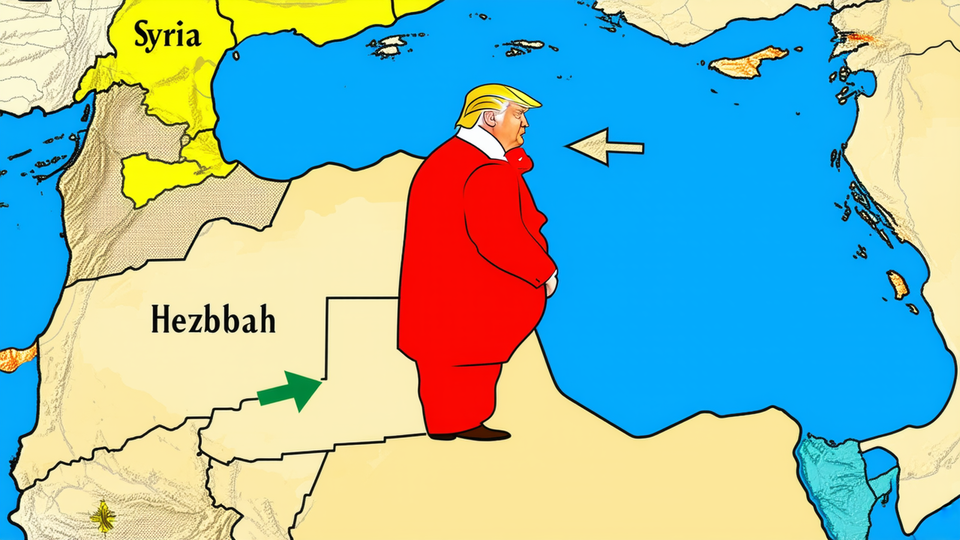
On June 28, 2026, President Donald Trump publicly suggested that Syria should take military action against the Iran‑backed Hezbollah militia. The proposal represented a notable departure from the White House’s prior support of Israel’s campaign in Lebanon, aiming to place the burden of the fight on Damascus.
Trump’s Proposal and Its Rationale
Trump argued that Israel’s war with Hezbollah had become protracted, noting that more than 4,000 people had been killed by Israeli strikes in Lebanon. He claimed that Syrian forces, seasoned by recent conflicts, would be “more precise” and could “do a better job” in neutralizing Hezbollah’s capabilities.
Syrian Government’s Response
Syrian President Ahmad al‑Sharaa quickly dismissed the idea, stating that rumors of Syrian intervention were unfounded. In speeches on June 13 and June 21, al‑Sharaa emphasized a desire for a permanent end to the war, stronger institutions, and economic ties, while presenting a diplomatic vision to the United States.
Regional Reactions
Israeli officials expressed alarm, fearing that Syrian involvement could revive old patterns of Syrian influence in Lebanese politics. Meanwhile, Lebanon’s leaders recalled the decades‑long Syrian occupation, raising concerns over renewed sectarian dynamics. U.S. envoy Tom Barrack denied reports of Washington floating the idea, and Turkish Foreign Minister Hakan Fidan highlighted Turkey’s role in de‑escalating tensions.
Analyst Perspectives
Experts warned that Syria’s current military structure is fragmented, containing foreign fighters of uncertain loyalty, and is not prepared for a coordinated campaign against Hezbollah. They cautioned that the suggestion underscored a lack of understanding of on‑the‑ground realities and could exacerbate sectarian fears across Lebanon’s diverse communities.
Conclusion
Trump’s call for Syrian action against Hezbollah introduced a new diplomatic pivot that heightened anxieties in both Lebanon and Israel. While the Syrian leadership rejected any military move, the episode highlighted the complex interplay of regional power, historical memories, and the challenges of finding a sustainable peace in the Middle East.