

Trump Revives Election Fraud Claims in California Ahead of 2026 Midterms
Trump Revives Election Fraud Claims in California
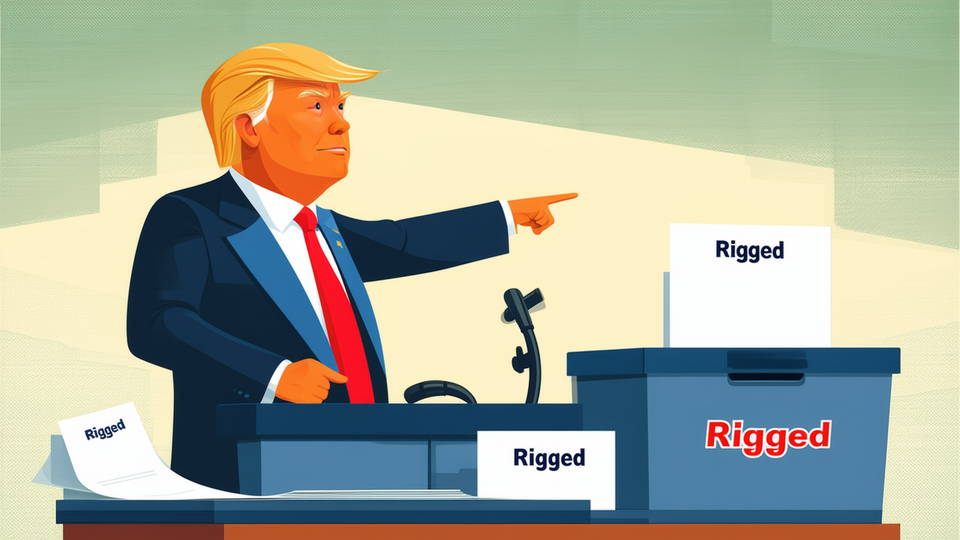
Former President Donald Trump has reignited allegations of election fraud in California, describing the state’s primary vote count as “rigged.” He raised the issue on NBC’s Meet the Press on June 7, pointing to the speed of the count and the drop in support for his preferred candidates as the mail‑in ballots continued to be tallied. When host Kristen Welker asked for evidence, Trump replied, “All I have to do is look.”
Trump’s claims echo a broader narrative that has become a central theme of his political strategy ahead of the 2026 midterm elections. He has suggested that Democrats are “crooked” and that “the election is being rigged,” a message he repeated at a round‑table in Chippewa Falls, Wisconsin. The president’s statements have been amplified by senior Republicans, including Speaker Mike Johnson, who described the situation as “stinking to high heaven.”
Legal and election officials have repeatedly found no evidence to support the fraud narrative. Stephen Richer, former Maricopa County Recorder and current legal fellow at the Cato Institute, emphasized that there is “no basis” for the allegations. He noted that the structural differences in vote counting—such as California’s reliance on mail‑in ballots, which can take weeks to process—have been consistent across multiple election cycles.
Federal authorities are also monitoring the situation. The U.S. Attorney’s Office in Los Angeles announced multiple fraud investigations and sent a prosecutor to the county’s ballot‑counting center. However, the Justice Department’s recent lawsuits in several states have been dismissed by judges, limiting the immediate legal impact of the claims.
Experts warn that the repeated use of unsubstantiated fraud allegations could erode public confidence in the electoral system. Jim Kessler of Third Way argues that Trump’s strategy is designed to deflect from potential electoral losses. Election security specialist Chris Krebs, who was fired in 2020 after defending the integrity of the 2020 election, warned that the “election denialism” now has footholds in high‑level leadership, including the House Speaker and the FBI Director.
For voters, the practical effect of the controversy is a heightened sense of scrutiny and distrust. The “red mirage” phenomenon—where early results favor Republicans due to in‑person votes, only to shift as mail ballots are counted—has already created confusion in recent California races. Experts advise that voters focus on verified information and participate fully in the voting process, recognizing that rigorous counting procedures are essential for a fair outcome.
As the 2026 midterms approach, the stakes for both parties are high. Democrats must navigate a political environment where false fraud claims could suppress turnout or delegitimize results. Republicans, meanwhile, may use the narrative to mobilize their base. The continued absence of credible evidence, combined with the legal challenges that have been dismissed, underscores the importance of protecting democratic institutions through transparent processes and informed citizen engagement.
In sum, while Trump’s accusations have reignited debate, the factual record from election officials and courts does not support widespread fraud in California. The focus now turns to how parties and voters will respond to the rhetoric, ensuring that the electoral system remains resilient and trustworthy.





