Trump Orders Gas Prices Cut to $2.50 a Gallon – June 30, 2026
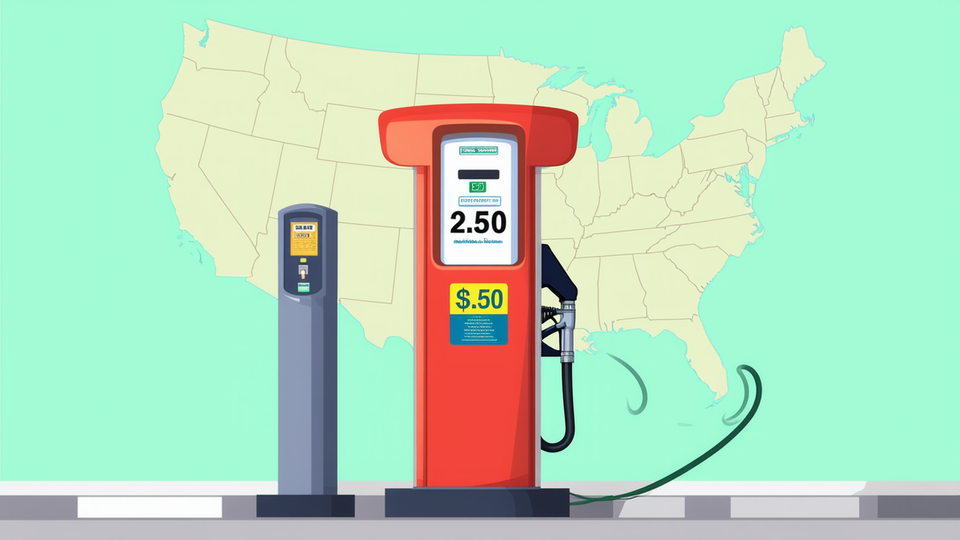
Trump Calls for $2.50 Gasoline Nationwide
President Donald Trump issued a direct command on June 30, 2026, ordering gasoline retailers across the United States to reduce pump prices to $2.50 per gallon. The demand was posted on his Truth Social platform, where he emphasized the need for immediate action and warned that “there will be no gauging, which is totally illegal” for those who fail to comply.
Trump framed the price target as a moral duty to the American people, stating that retailers must “do what they know is right” and protect consumers from the financial strain caused by high fuel costs. He highlighted the national average price of $3.85 per gallon at the time, noting that it was well above his $2.50 goal.
The president singled out California, condemning the state’s fuel tax rates and warning that taxes were approaching or surpassing the cost of gasoline itself. He suggested that the state’s high taxes were “ridiculous” and burdening consumers.
These directives occurred against a backdrop of broader economic pressure from the ongoing war in Iran, which had driven up global oil prices. The administration responded by invoking emergency authority to restart a dormant California pipeline, aiming to boost domestic crude supply and ease market tension.
In addition to the price ceiling demand, Trump recently instructed the Justice Department to investigate oil companies for alleged “gouging” practices, accusing them of failing to pass declining crude costs onto consumers. While he did not name specific retailers, his statements signaled heightened scrutiny of the energy sector.
Industry representatives, including Chevron’s CFO, pointed out that the relationship between crude oil and gasoline prices is complex, with a lag that can delay retail price adjustments. Market analysts echoed this view, noting that while crude price declines are a positive sign, they do not instantly translate to lower pump prices.
Overall, Trump’s aggressive stance reflects a broader policy agenda focused on immediate consumer relief, regulatory enforcement, and challenging state-level tax policies that he perceives as unfair. The directive underscores a decisive, government‑driven effort to make gasoline more affordable for American drivers amid ongoing geopolitical and economic challenges.