Trump Cancels Planned U.S. Strikes on Iran – June 11, 2026
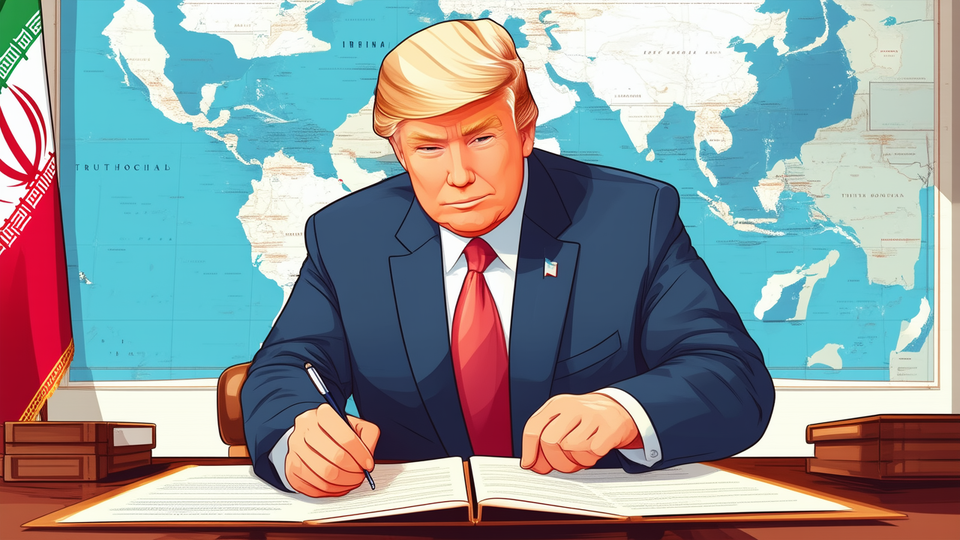
Trump Cancels Planned U.S. Strikes on Iran
In a sudden shift, President Donald Trump pulled the trigger on a series of scheduled airstrikes set for Thursday evening, citing progress in diplomatic talks with Tehran. The move came a day after the President had warned that the United States would strike Iran “very hard” in an interview with Fox News.
Trump posted the cancellation on Truth Social, saying that talks had reached the highest level of Iranian leadership and were approved by the United States, Israel, Saudi Arabia, the United Arab Emirates, and other allies. He added that a formal transaction would be finalized “in the very near future.”
Iran’s foreign ministry quickly replied that the government had not approved any draft agreement. The Tasnim news agency cautioned that any statements by President Trump should be viewed in the context of his prior claims until an official announcement is made by Tehran.
The announcement sparked a swift market reaction. Stock indices rose while crude oil futures fell over three percent, reflecting investor optimism that a ceasefire could reduce regional tensions and stabilize energy supplies.
Earlier in the week, U.S. forces had carried out retaliatory strikes following the downing of an American helicopter near the Strait of Hormuz, a passage that Iran has repeatedly threatened to close. The U.S. had also threatened to seize control of Kharg Island, the island that handles more than 90 % of Iran’s oil exports.
Despite the President’s rhetoric, many observers note that substantive issues remain. A core sticking point is the restoration of free passage through the Strait of Hormuz and the fate of Iran’s nuclear material. Iran has also warned that any new U.S. strikes would provoke a “harsh response.”
Locally, the shift has been met with mixed feelings. On the ground, civilians in Tehran report ongoing economic hardships as the war drags on. “The gap between the two countries is too wide,” said pharmacist Majid, who said that government actions had left basic goods scarce.
In the broader geopolitical arena, the U.S. and Israel continue to coordinate military operations against Iran and its proxy forces. Meanwhile, countries such as Saudi Arabia, the United Arab Emirates, and Qatar are working behind the scenes to broker a comprehensive settlement.
As the President signs the deal, the world watches closely for a resolution that could end the three‑month‑old conflict and restore stability to a volatile region. The next steps remain to be clarified, but the cancellation marks a pivotal moment in U.S. foreign policy toward Iran.