Trump Calls Netanyahu ‘Crazy’ Amid Push to Meet Iran’s Supreme Leader – 6 March 2026
Trump Calls Netanyahu ‘Crazy’ Amid Push to Meet Iran’s Supreme Leader – 6 March 2026
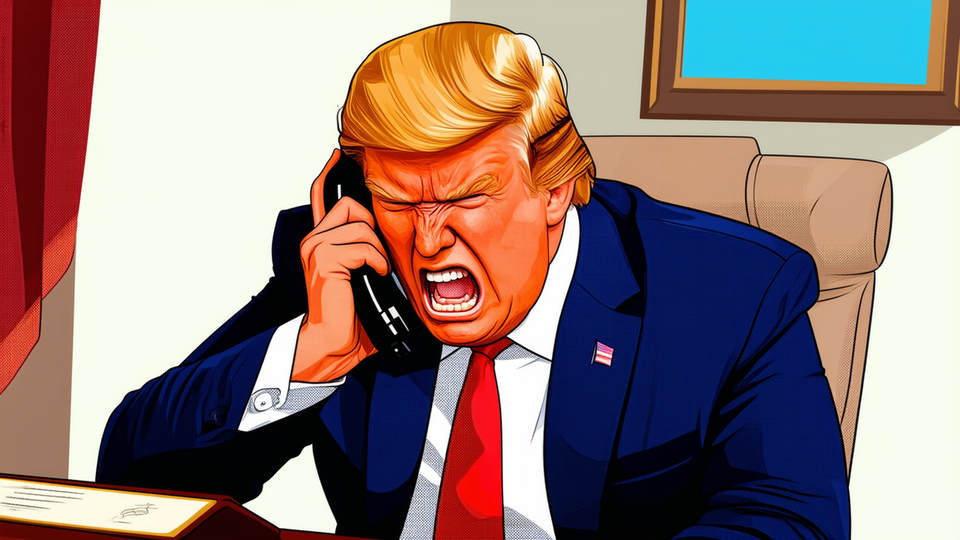
On 3 March 2026, President Donald Trump called Israeli Prime Minister Benjamin Netanyahu and expressed frustration over the escalating conflict in Lebanon. Trump described the Israeli leader as “f****ing crazy” and urged him to halt planned airstrikes on Beirut’s southern suburbs. Despite the heated exchange, the former President reiterated his support for Netanyahu as a strategic partner in countering Iran.
The confrontation occurred after tentative Israeli plans had moved toward an offensive against Hezbollah strongholds in southern Lebanon, raising concerns about the impact on U.S.‑led negotiations with Iran. Trump’s remarks were made during a trip to Washington and subsequently amplified by his own social‑media feeds and a podcast interview with Miranda Devine.
In Washington, Trump referenced the joint U.S.‑Israeli operations against Iran, emphasizing that “Israel could not have acted alone.” He warned that unbridled Iranian aggression could destabilise the entire Middle East, citing the possibility of Tehran’s “bombing the Strait of Hormuz.” The President also claimed that he had helped Netanyahu avoid UK‑trials and corruption charges, citing local corruption allegations and an Israeli Supreme Court ruling.
Meanwhile, the Lebanese government and Hezbollah leaders responded by accepting ceasefire terms issued by the U.S. and Israel. Leadership in Beirut de‑emphasised potential escalation, and the U.N. backed a fresh peace‑talks plan that called for lifting the naval arms embargo against Iran. The U.S. has said that progress is underway, but there are sign‑factors that appear to delay immediate advances: Russian and Iranian disapproval, ongoing unrest in northeastern Syria, and an ongoing energy‑chain disruption across the Persian Gulf.
Following its confrontational tone, Trump expressed an ambition to meet with Iran’s Supreme Leader to forge a peaceful peace‑deal on nuclear policy and the reopening of shipping lanes in the Strait of Hormuz. He hopes to accelerate the middle‑east crisis resolution, while promising that national defense of Israel remains a priority and “we’ll deal with Persia properly.” A few Israeli officials have accused Trump of waver and disloyalty as they push for a stronger ceasefire that addresses leakage of resources in the contested border region.
In conclusion, Trump's remarks highlight the fragile nature of U.S.‑Israel cooperation amid the intricate geopolitical web across the Middle East. The exchange underscores how personal dynamics, particularly the President’s brash communique with Netanyahu, affect the larger diplomatic landscape that governs access to critical channels between Washington, Tehran, and the global community.