Trump Approval Hits Record Low as Voters Reject Cost of Iran War
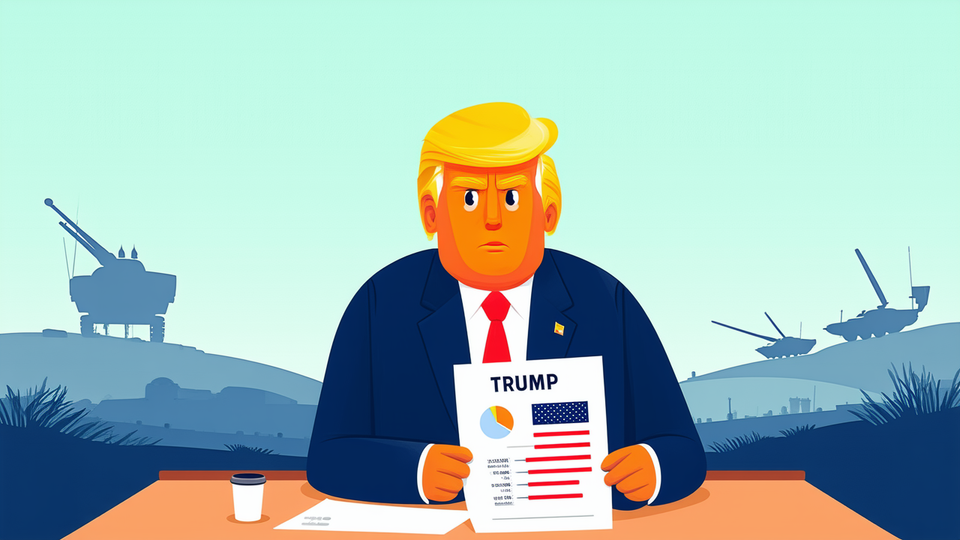
Trump Approval Drops Amid Iran War Concerns
The latest public opinion poll released in early July 2026 paints a stark picture of President Donald Trump’s standing with the American electorate. Conducted by the Financial Times, the survey sampled 1,795 registered voters between June 26 and 30, with a margin of error of ±2.7 percentage points. It finds that only 36 percent of respondents approve of Trump’s performance, a two‑point decline from the previous month, marking a record low for his administration.
Cost concerns dominate voter sentiment. Fifty‑eight percent of those surveyed say the war with Iran was not economically worth the expense, while 40 percent contend the conflict has left the United States in a weaker strategic position. By contrast, just 31 percent believe the war strengthened America’s global standing. The poll also highlights the financial burden of the war, noting the White House’s request for $67 billion in congressional funding to cover military operations.
The public’s skepticism extends to diplomatic efforts. Two‑thirds of participants—66 percent—express doubt that the recently signed memorandum of understanding between the United States and the Iranian regime will foster peace or stability; many fear it could even increase regional instability. Younger voters appear especially disillusioned, with a Generation Lab poll indicating that 77 percent of adults aged 18‑34 consider the strike a wrong decision.
Political ramifications are evident in the partisan breakdown. Democrats lead in overall support, with 44 percent backing the party compared with 38 percent for Republicans. Yet Republicans maintain a higher voting intention, with three‑quarters of self‑identified party members rating their likelihood to vote at eight or above on a ten‑point scale, versus 69 percent of Democrats and 56 percent of independents.
Foreign policy questions also surface. When asked about NATO, 53 percent of voters believe the United States should remain a member, while 23 percent favor withdrawal. President Trump has criticized the alliance’s role during the conflict, accusing European nations of opposing the war and limiting U.S. use of NATO assets.
Overall, the poll suggests that the economic and strategic fallout from the Iran war is eroding confidence in the Trump administration, fueling partisan divides, and reshaping public opinion on both domestic leadership and international alliances.
As the midterm elections approach, these trends could prove decisive, influencing not only the president’s approval but also the broader direction of U.S. foreign policy and domestic political dynamics.