

Trump Administration’s Religious Liberty Commission Calls for Bridges Between Church and State
Introduction
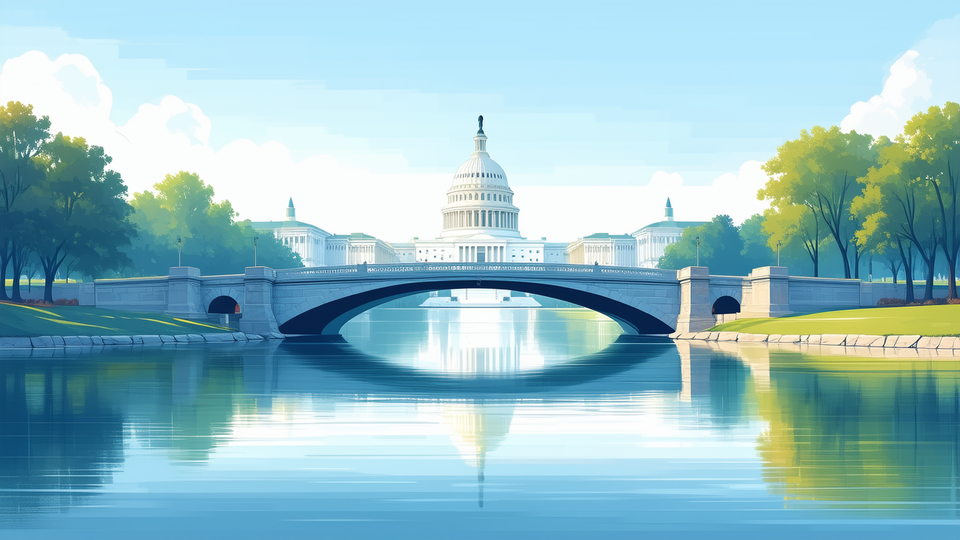
The Religious Liberty Commission, created by President Donald Trump last year and filled primarily with conservative Christians, released a 224‑page draft report on June 26, 2026. The document challenges the historic principle of separating church and state and instead proposes building “bridges” that allow greater religious expression in government, schools, and the public square.
Report Details
The report praises recent Supreme Court decisions that have expanded rights to religious expression, such as allowing opt‑outs for parents who object to certain school lessons. It recommends eliminating the Johnson Amendment, which bars tax‑exempt religious groups from political activity, and calls for compensation for service members discharged for refusing COVID‑19 vaccines. Additional recommendations include publishing “Know Your Rights” posters, establishing hotlines for religious liberty complaints, and creating new honors like a Presidential Medal of Religious Liberty.
Beyond schools, the commission urges greater access to public funding for faith‑based agencies, broader conscientious‑objector exemptions for policies ranging from vaccine mandates to pronoun usage, and the installation of historic markers honoring religion’s role in American history.
Reactions and Debate
Supporters, including the commission’s chairman Texas Lt. Gov. Dan Patrick, argue that the “wall” concept misapplies the First Amendment and that a balanced relationship strengthens society. President Trump, speaking at a Faith & Freedom Coalition rally, hailed the report as a rescue of religion.
Opposition comes from a coalition of groups, such as the Center for American Progress, which defend the separation doctrine. Critics contend the commission lacks ideological diversity, pointing to lawsuits alleging bias and noting the report’s limited attention to anti‑Muslim sentiment, antisemitism, and the rights of non‑religious Americans. They warn that the proposed changes could blur constitutional boundaries and marginalize those who do not share the commission’s faith perspective.
Conclusion
The draft report ignites a fresh debate over the proper balance between religious liberty and government neutrality. While its supporters view the “bridges” as a reaffirmation of America’s founding values, opponents fear it could undermine the protections that have long safeguarded a pluralistic society. The public comment period, open for the next 15 days, will determine whether this vision gains broader acceptance or is reshaped by the nation’s diverse voices.





