

Tesla Autopilot Crash in Katy, Texas Claims Life of Grandmother – June 2026
Introduction
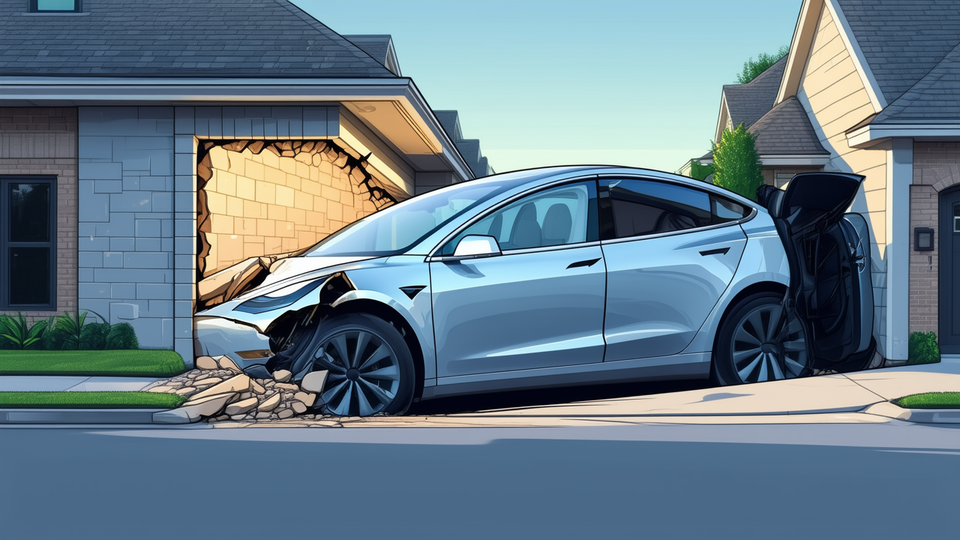
On the evening of June 19, 2026, a Tesla Model 3 traveling at an estimated 73 mph left Houston‑area roadways and crashed through the front wall of a home on Fry Road in Katy, Texas. Inside the residence, the vehicle struck 71‑year‑old Martha Avila, who later died from catastrophic injuries. The incident quickly became a national story, drawing attention to the interplay of advanced driver‑assist systems and human behavior.
Investigation Findings
Harris County Sheriff’s deputies initially said the driver told them the car was on Autopilot. However, a later statement from Tesla’s Autopilot division indicated that the driver manually overrode the system by flooring the accelerator, maintaining full throttle despite the vehicle’s proximity to the home. The Harris County Sheriff’s Office reported no evidence of a mechanical malfunction, and the driver showed no signs of impairment at the scene.
Federal investigators from the National Highway Traffic Safety Administration (NHTSA) opened a special crash investigation on June 22, underscoring the seriousness of the event. While no official cause has been assigned, the probe will examine whether the vehicle’s driver‑assist technology behaved as designed and how driver interaction contributed to the outcome.
Safety and Policy Implications
This crash highlights several key concerns for technology and public safety. First, it underscores the need for clear driver engagement protocols when using semi‑autonomous features; drivers must remain prepared to intervene at any moment. Second, the high speed in a residential area demonstrates how easily a momentary lapse can lead to lethal outcomes, raising questions about speed‑limit enforcement and vehicle software safeguards.
Legal experts and consumer‑advocacy groups are watching the lawsuit filed by Avila’s family against Tesla and the driver. The complaint alleges that the Autopilot and Full Self‑Driving systems were “defective in design” and posed unreasonable risk. Such litigation could prompt stricter regulatory standards and push manufacturers to improve system transparency and fail‑safe mechanisms.
Conclusion
The Katy Tesla crash serves as a stark reminder that emerging automotive technologies, while promising, require responsible use and robust oversight. Ongoing investigations by local authorities and the NHTSA aim to determine whether the vehicle’s systems or driver actions were the primary factor. Until clear guidance and safeguards are established, drivers and manufacturers alike must prioritize safety to prevent further tragedies.





