

Teen Sentenced to 5½ Years for Subway Arson Attack on Homeless Man
Teen Sentenced for Subway Arson Attack
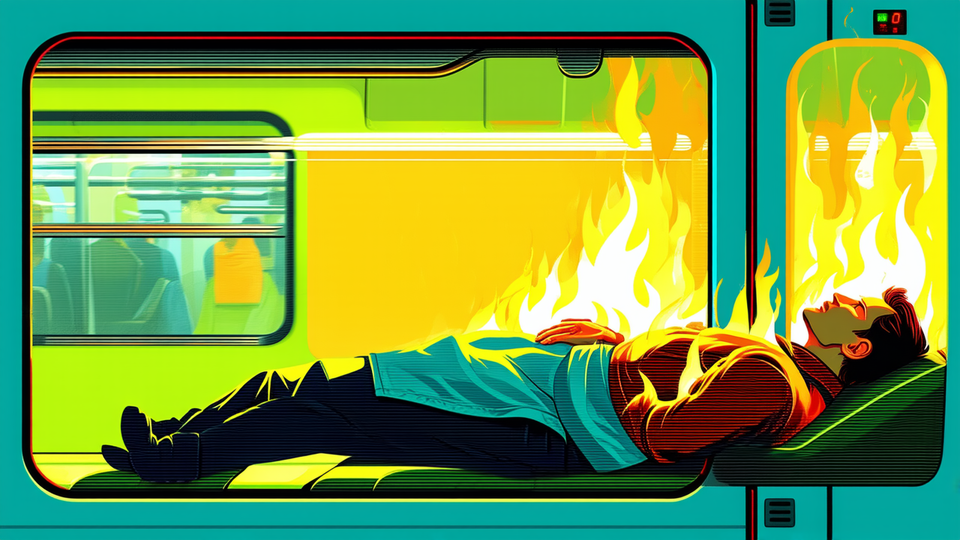
On December 1, 2025, a northbound No. 3 subway car in Manhattan became the scene of a violent arson. Nineteen‑year‑old Hiram Carrero placed a piece of paper on fire, igniting the clothing of a homeless man who was sleeping on the train. The flames quickly engulfed the victim’s legs as the train moved from Penn Station to Times Square. Emergency responders reached the subway car within minutes, pulling the victim to safety and preventing a fatal outcome. The man survived but sustained permanent scarring and disfigurement.
Federal prosecutors charged Carrero with arson, and he pleaded guilty in March 2024. During the sentencing hearing in United States District Court, U.S. Attorney Jay Clayton described the crime as “breathtaking, horrific, and unconscionable.” The government sought a sentence of up to eight years, emphasizing the “heinous actions” that left the victim critically injured. Judge Lewis J. Liman imposed a term of five years and six months—longer than the mandatory minimum—citing the severity of the conduct and the need for public safety deterrence.
Carrero’s defense highlighted a troubled background: premature birth with drug exposure, abandonment by his biological parents, and significant intellectual challenges. The pandemic disrupted his education, contributing to a loss of structure and support. While these factors were presented in mitigation, the court underscored the responsibility adults bear for protecting vulnerable populations, including unhoused individuals who rely on public transit for safety.
The case arrives amid a series of recent subway fire incidents across the United States, prompting transit agencies and law‑enforcement partners to review security protocols. Officials stress that swift emergency response saved the victim’s life, yet they also call for stronger preventative measures and community outreach to reduce the risk of similar attacks. The sentencing sends a clear message that violent acts against anyone, especially those already at risk, will be met with decisive legal consequences.
In addition to the prison term, Carrero received three years of supervised release and was ordered to pay restitution to the victim. The outcome reflects a balance between acknowledging a young offender’s challenges and holding him accountable for a violent crime that endangered public safety. As the city continues to address homelessness and transit security, the case serves as a reminder of the need for compassionate but firm responses to protect all passengers.





