Supreme Court Removes Watergate‑Era Limits on Party Spending
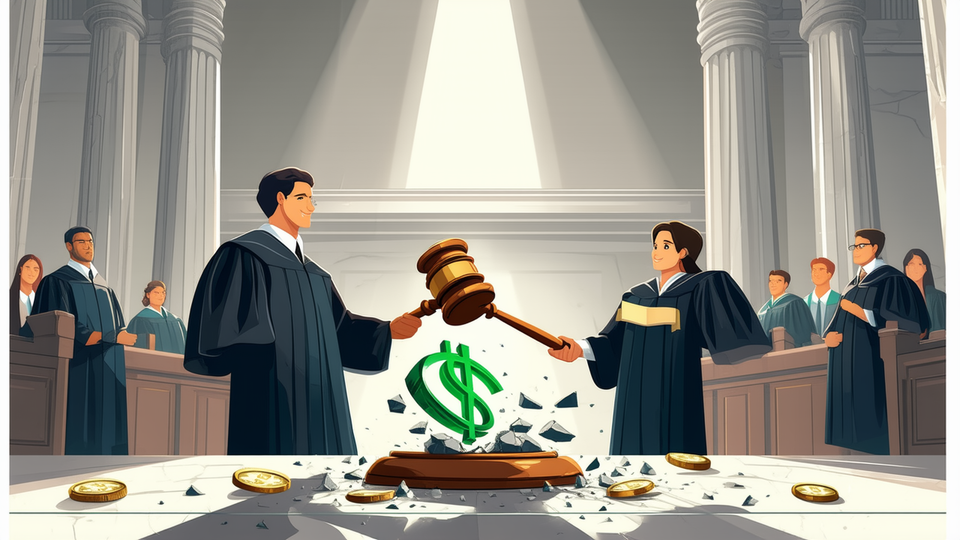
The nation’s highest court issued a decisive 6‑3 opinion on June 30, 2026, striking down the long‑standing federal limits on coordinated expenditures between political parties and their candidates. The majority opinion, penned by Justice Brett Kavanaugh, held that the restrictions violated the First Amendment's free‑speech protections, echoing the Court’s earlier stance in Citizens United v. FEC.
The case was brought by the National Republican Senatorial Committee, the National Republican Congressional Committee, and two individual campaigners, including then‑Senator JD Vance of Ohio, who would later become Vice President. Their challenge argued that the caps—originally enacted after Watergate to curb potential corruption—no longer served a compelling governmental interest in the era of unlimited independent spending.
Under the previously enforced law, parties could spend unlimited amounts independently, but coordinated expenditures with a candidate’s campaign were capped at levels that could reach nearly $4 million in large Senate contests and $127,000 in smaller House races. The Court’s decision removes those caps entirely, allowing parties to coordinate directly with candidates without numerical limits.
The ruling follows a line of decisions that have steadily eroded campaign finance restrictions, including the 2010 Citizens United decision that opened the door to unlimited independent expenditures by corporations and unions, and a 2014 decision that eliminated caps on individual contributions. The Court’s conservative majority has consistently framed such limits as a burden on political speech.
Dissenting justices, led by Justice Sonia Sotomayor, warned that the decision resurrects the very corruption risks the original law aimed to prevent. They argued that coordinated spending creates a conduit for donors to sidestep contribution limits, potentially eroding public trust in the electoral process.
Political analysts anticipate that the ruling will confer a significant fundraising advantage to Republican campaigns heading into the 2026 midterms, as the party’s national committees already report record cash balances. Democrats, who have expressed alarm over the decision, contend that the lack of coordinated spending limits could further tilt the playing field in favor of well‑funded candidates.
While the Court’s opinion emphasizes First Amendment freedoms, it also raises new questions about the balance between free political expression and the need to prevent undue influence. The decision is likely to spark new legislative efforts at both federal and state levels aimed at addressing the concerns raised by the dissent.