

Strait of Hormuz Cargo Vessel Attack Raises Maritime Security Concerns
Strait of Hormuz Cargo Vessel Attack Raises Maritime Security Concerns
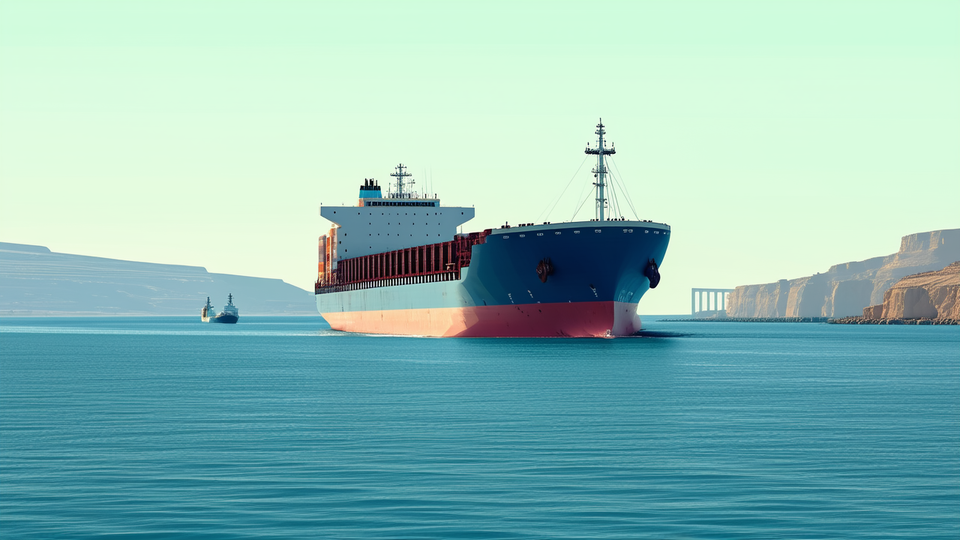
On June 25, 2026, a cargo vessel traveling through the strategic Strait of Hormuz was hit by an unknown projectile. The United Kingdom Maritime Trade Operations (UKMTO) received a report of an incident southeast of Dahit, Oman, indicating that the Singapore‑flagged Ever Lovely, an 8,500‑TEU container ship operated by Taiwan‑based Evergreen Marine, sustained damage to its bridge on the starboard side.
Fortunately, the crew reported no injuries and there was no immediate environmental impact, a relief for both the marine ecosystem and the global supply chain. However, the incident highlights the persistent vulnerability of vital maritime routes to security threats, especially as global shipping activity resumes after previous disruptions.
The International Maritime Organization (IMO) quickly responded by suspending its coordinated corridor that had been facilitating vessel movements through the chokepoint. This suspension reflects the organization’s commitment to safety and its responsibility to adapt protocols in the face of emerging hazards. At the same time, the United Nations and regional partners continue to monitor the situation closely, emphasizing diplomatic dialogue to prevent escalation.
Underlying the attack are ongoing diplomatic talks between the United States and Iran aimed at ending hostilities in the Persian Gulf. While recent statements from both sides suggest constructive progress, there remain mixed signals, with Iranian officials occasionally contradicting U.S. claims. The incident therefore serves as a tangible reminder that any agreement must address not only broader political issues but also concrete measures to protect shipping lanes from interference.
For the shipping industry, the safety of the Strait of Hormuz is paramount. The waterway handles a substantial share of the world’s oil and container traffic; disruptions can ripple through economies worldwide, raise freight rates, and increase carbon emissions as vessels reroute. Maintaining secure, open passages aligns with broader environmental goals by minimizing unnecessary fuel consumption and reducing the risk of spills.
Stakeholders—including vessel owners, port authorities, and insurance providers—are urged to reinforce vessel protection measures, share intelligence on potential threats, and support collaborative security frameworks. By investing in resilient maritime infrastructure and fostering transparent communication, the international community can safeguard trade while upholding the health of marine ecosystems.
In summary, the attack on the Ever Lovely underscores the delicate balance between geopolitical negotiations and the practical need for secure shipping routes. Ongoing dialogue, coupled with proactive security strategies, is essential to ensure that the Strait of Hormuz remains a safe corridor for global commerce and environmental stewardship.





