

South Korean Police Targeted by Anti‑China Rumors Amid 2026 Election Protests
Introduction
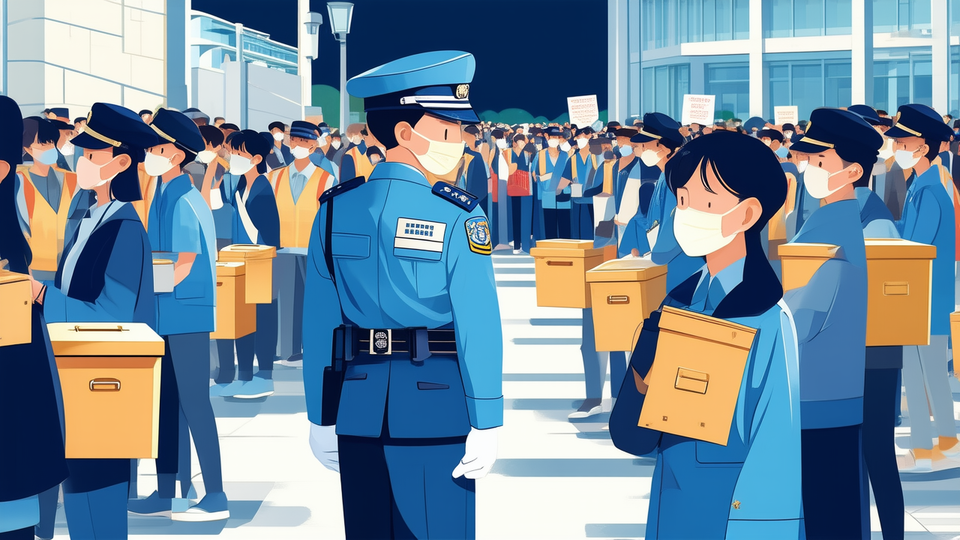
In early June 2026, South Korea’s local elections were disrupted by a shortage of ballot papers, sparking massive protests in Seoul. The unrest created a fertile ground for far‑right online communities to revive long‑standing anti‑China narratives. Within days, videos of police officers on the streets were posted on social media with captions claiming the officers were Chinese infiltrators or “fake police.”
Political Context and the Rise of Disinformation
The protests followed a controversial visa policy change that limited entry for Chinese tourists and a lingering distrust of the previous Yoon Suk‑yeol administration, which had briefly declared martial law in late 2024. Nationalist factions used these grievances to allege foreign interference in the vote‑counting process. By linking the police presence to alleged Chinese agents, they aimed to delegitimize the authorities and stoke nationalist sentiment.
Cyber‑Propaganda Tactics
Far‑right groups amplified the false claims by sharing short video clips on platforms such as Instagram, X and Threads. The clips were edited to omit context and were paired with Korean‑language text that framed the officers as “Chinese spies.” Screenshots of official police identification were blurred or replaced with unrelated images, creating a visual illusion of foreign affiliation. Users added hashtags that connected the posts to broader anti‑China campaigns, allowing the misinformation to spread rapidly through algorithmic recommendation systems.
In addition to anonymous posts, coordinated accounts organized comment threads that demanded the officers be “caught and killed” or “stabbed to death,” demonstrating how online harassment can turn into direct threats. Several police officers and their families filed criminal complaints for defamation, highlighting the real‑world consequences of digital hate.
Impact on Public Perception and Law Enforcement Credibility
Police officials repeatedly confirmed that all officers shown in the videos are South Korean citizens, as required by law, and that the Police Officials Act prohibits anyone with foreign citizenship from serving. Nevertheless, the false narrative eroded public confidence in the police during a critical period of election monitoring. The Seoul police chief described the claims as “incomprehensible,” yet the rapid spread of the posts made it difficult to contain the damage.
Legal actions taken by the officers and their partners underscore the growing recognition that online disinformation can constitute a crime when it incites violence. Experts argue that platforms like Meta have a responsibility to curb the amplification of hate‑filled content and cooperate with authorities to identify repeat offenders.
Conclusion
The 2026 South Korean ballot‑paper protests illustrate how political crises can be weaponized by extremist groups through coordinated online campaigns. By exploiting existing anti‑China sentiments, these actors sowed confusion, threatened law‑enforcement personnel, and threatened the legitimacy of the electoral process. Combatting such misinformation requires transparent communication from officials, swift legal recourse for victims, and stronger moderation policies by social‑media platforms to protect democratic institutions and public safety.





