

Soda Brands Launch QR Codes for Ingredient Transparency
Soda Brands Launch QR Codes for Ingredient Transparency
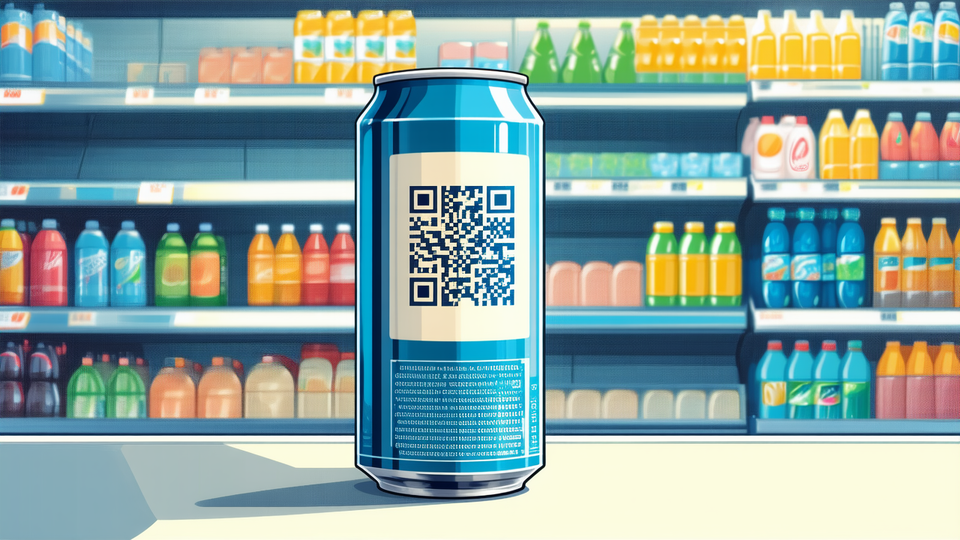
In June 2026, the United States’ two largest soft‑drink producers, Coca‑Cola and Pepsi, began affixing QR codes to the labels of their beverages. When scanned, these codes direct consumers to a website created by the American Beverage Association called “Good to Know,” which catalogs more than 140 ingredients found across a range of sodas, energy drinks, and other packaged beverages.
The new platform supplies a definition for each ingredient, lists the types of products that contain it, and notes where the ingredient is authorized worldwide. While familiar additives such as caffeine and high‑fructose corn syrup appear alongside newer compounds like Lion’s Mane mushroom extract and L‑Carnitine, the site does not provide brand‑specific breakdowns. Shoppers still need to consult the ingredient list on each can or bottle to see precisely which items contain a given substance.
Industry leaders stressed that the initiative responds to a growing demand for transparency. Kevin Keane, chief executive of the American Beverage Association, said consumers “deserve confidence in the safety of their foods and beverages.” By aggregating safety assessments from the U.S. Food and Drug Administration, the European Food Safety Authority, and Health Canada, the database aims to align with global food‑safety standards and to empower consumers to make informed decisions.
Analysts note that the QR‑code rollout could shift the narrative around sugary drinks. A recent EY survey found six in ten shoppers consider ingredient information when selecting beverages, and about a quarter of Americans already trust nutrition‑app data as much as brand claims. By providing a single, industry‑backed source, the QR codes may help manufacturers frame the conversation around ingredient safety and nutritional content, even as many popular sodas still score poorly on independent health‑rating apps.
Critics, however, caution that an industry‑funded resource may reflect corporate perspectives rather than independent scientific consensus. Some experts argue that not all safety data are up‑to‑date, and that the site may omit emerging research on newer additives. Nevertheless, the move marks a significant digital step in the beverage sector’s effort to meet consumer expectations for openness and to counter growing scrutiny from public‑health advocates.
As QR technology becomes more commonplace on product packaging, shoppers can expect similar transparency tools across other food categories. For now, the “Good to Know” database offers a convenient way to explore the ingredients behind everyday soft drinks, potentially encouraging healthier choices and fostering a more informed dialogue between consumers and manufacturers.





