Sheinbaum Urges U.S. Ambassador to Refrain from Political Commentary on Mexico’s Drug War
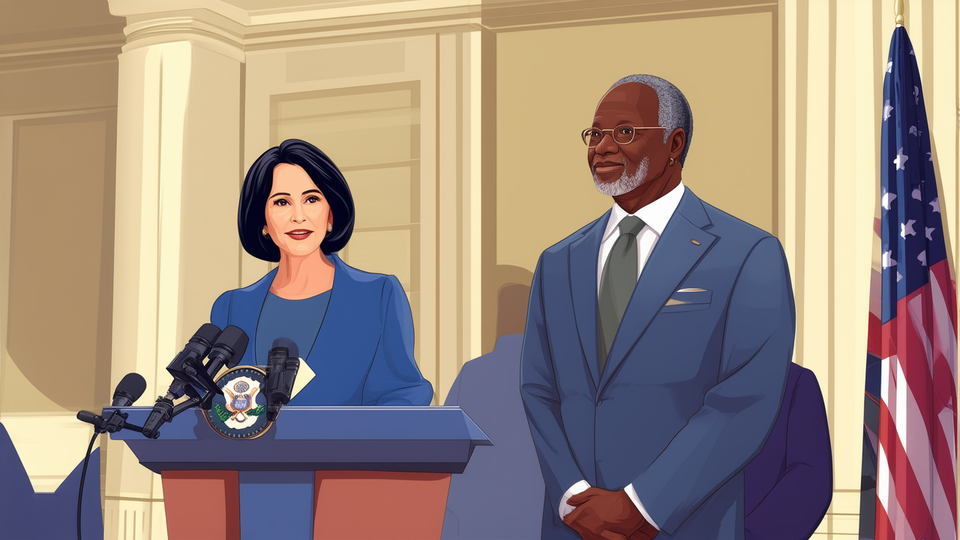
On Thursday, while addressing a morning news conference, President Claudia Sheinbaum publicly urged United States Ambassador Ronald Johnson to keep his remarks strictly diplomatic and avoid commenting on Mexico’s domestic politics. That admonition followed Johnson’s earlier X post that framed the fight against Mexican cartels as a political dispute, stating that “every moment spent turning this shared security challenge into a political dispute is a missed opportunity to strengthen our partnership.”
Sheinbaum reminded her nation’s citizens that “Mexico’s affairs belong to Mexicans,” underlining Mexico’s constitutional principles of non‑intervention and self‑determination. She argued that U.S. diplomatic channels must focus on “coordination and collaboration,” and that ambassadors ought to refrain from intruding on the political processes of their host countries. “Ambassadors must respect the internal political affairs of their countries,” she added. She emphasized that Mexico remains ready to cooperate on security matters while keeping political commentary out of the bilateral agenda.
The incident feeds into a broader saga that began in late April, when U.S. prosecutors charged Sinaloa Governor Rubén Rocha Moya and nine associates with bribery, citing alleged ties to the powerful Sinaloa cartel—a move that many Mexican officials deemed an infringement on sovereignty. Rocha’s indictment has fueled suspicions that Washington’s far‑right elements may be looking to influence U.S. politics on a back‐door level. The president’s stand came after a public event that defended national sovereignty and castigated U.S. actions she sees as interference.
While Sheinbaum’s diplomatic disciplinary brief was framed as a gesture of respect, analysts note that it also serves a strategic purpose: to reinforce Mexico’s stance that bilateral cooperation can proceed without political posturing. By demanding the U.S. Ambassador adhere to the prescribed “cordial, non‑political” conduct, she seeks to protect Mexico’s voice in discussions on cross‑border security and diminish any sense that Washington’s domestic politics can sway the agenda.
In the backdrop of this diplomatic strife, a federal bill approved by the Mexican congress replaces “foreign interference” as grounds to annul election results—an amendment that might provide a legal basis should future U.S. inquiries arise. Simultaneously, the U.S. Justice Department’s indictment pits Mexico’s own former and current officials against U.S. law, underscoring the delicate balance of cooperation versus sovereignty.
The readjustment of diplomatic protocols, highlighted by President Sheinbaum’s directives, signals that both countries may recalibrate their engagement on cartel‑related crimes. The aim? A partnership that keeps the shared security challenge focused on neutral, results‑oriented collaboration rather than being littered with partisan disputes.
As the situation develops, Mexican officials, U.S. diplomats, and international observers will keep a keen eye on how the language of diplomacy shifts to preserve stability in an increasingly politicized environment.