RSF Gears Up for Major Assault on Sudan’s Strategic City of Al‑Obeid
Al‑Obeid on the Brink of a Major Assault
The city of Al‑Obeid, a strategic gateway linking Khartoum to Darfur, now faces an imminent attack by the Rapid Support Forces (RSF) militia. According to recent reports, the RSF is preparing a large‑scale ground operation that could overwhelm the city’s defenses and exacerbate an already severe humanitarian crisis.
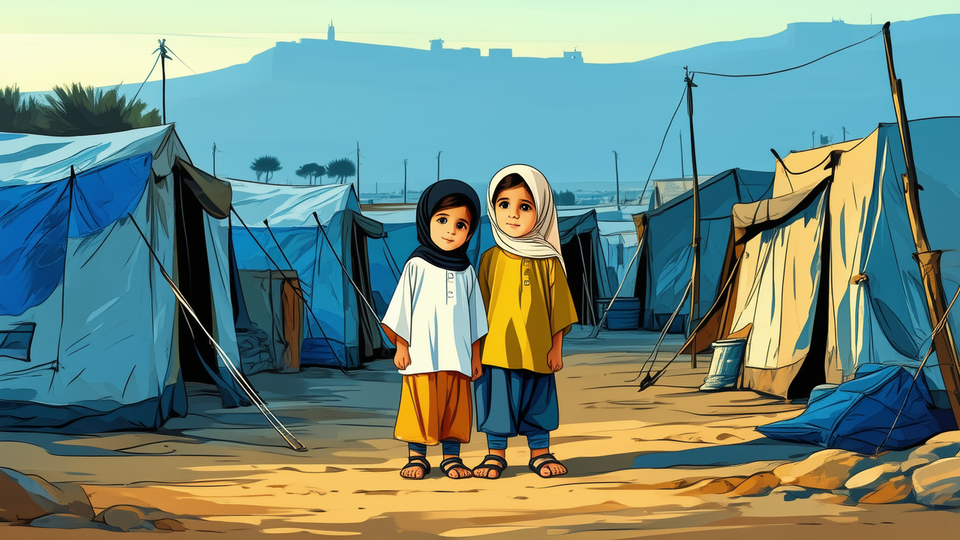
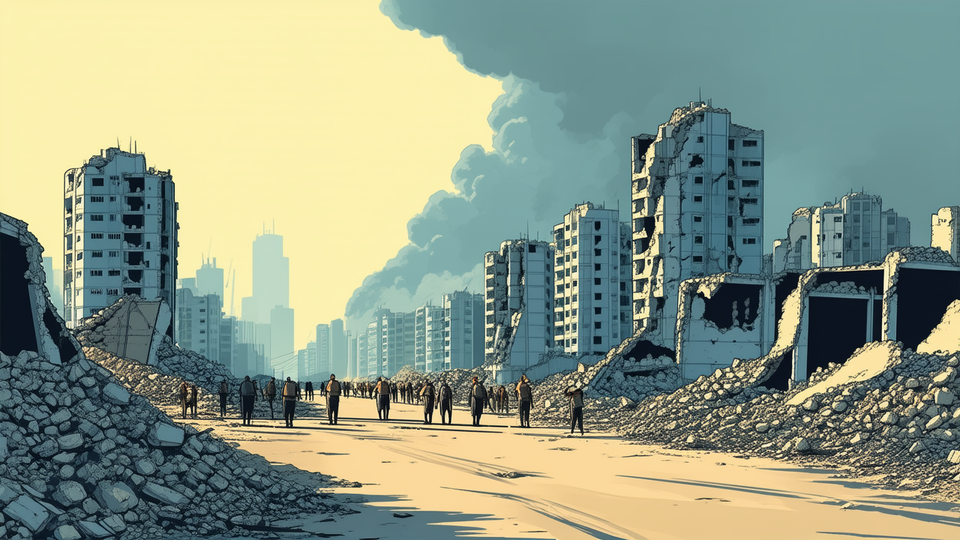
Humanitarian workers estimate that roughly half a million people are currently trapped in Al‑Obeid. For weeks they have endured near‑daily drone strikes that have devastated homes, schools, and essential services. The United Nations describes the Sudanese war as the world’s largest humanitarian crisis, and the relentless aerial bombardment has left civilians with limited access to food, water, and medical care.
International leaders have expressed deep alarm. A joint statement from France, Germany, Ireland, Italy, the Netherlands, Norway, and the United Kingdom warned that the situation bears the hallmarks of genocide, citing the horrors witnessed in El‑Fasher the previous year. The United Nations, the United States, and several European nations have urged the RSF chief, Mohamed Hamdan Dagalo, to refrain from launching a full‑scale offensive against the city’s capital of North Kordofan.
RSF representatives claim they have provided assurances to the United States regarding civilian safety and the maintenance of humanitarian corridors. Nevertheless, the militia has been locked in a protracted conflict with Sudan’s de facto head of state, Abdel Fattah al‑Burhan, since April 2023. Both sides have mobilized foreign‑supplied weapons, including uncrewed aerial vehicles, which underscore the external dimensions of the war.
Analysts point to the flow of foreign arms as a critical factor sustaining the conflict. The RSF and Sudanese Armed Forces rely on imported drones, as neither side manufactures these systems domestically. Regional powers such as the United Arab Emirates, Egypt, Saudi Arabia, and others have been identified as backers of the respective factions, turning the war into a broader proxy battle.
Human rights advocates warn that a renewed offensive could replicate the mass atrocities seen in El‑Fasher, where thousands of civilians were killed and medical facilities were attacked. The specter of genocide has galvanized calls for a comprehensive political settlement rather than a temporary ceasefire. Without decisive diplomatic pressure to halt external military support, the danger of further civilian suffering remains stark.
As Al‑Obeid teeters on the edge of a major assault, the international community faces a crucial decision point. Whether through diplomatic engagement, humanitarian aid, or pressure on regional backers, decisive action is needed to protect the city’s vulnerable population and prevent a repeat of the tragic events that have scarred Sudan’s war‑torn landscape.