Revealed: Medieval Prayer Book Chronicles Life After the Battle of Hastings
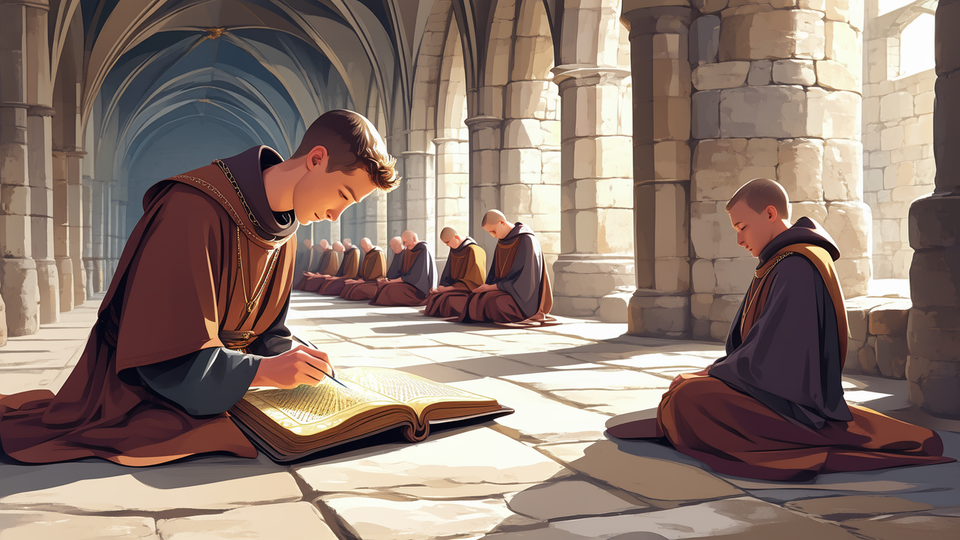
When Britain’s most famous battle erupted in 1066, the world imagined clashing swords and blood‑soaked fields. Yet, far from the roar of combat, a quieter story unfolded within the stone walls of Battle Abbey, the very monastery William the Conqueror ordered built as penance for the lives lost at Hastings.
Although the original prayer book has long been missing, a team of scholars led by Dr. Mark Carter of the University of London painstakingly reconstructed its contents from surviving Latin fragments. The result is a manuscript that does more than list prayers; it maps an entire religious ecosystem that kept the memory of the conquest alive for generations.
Inside the pages, monks recorded continuous prayers for the fallen soldiers, invoking not only the well‑known saints but also more obscure figures such as St. Gatianus and St. Florentius—cult figures scarcely found elsewhere in England. These obscure feast days suggest a lingering connection to the continental traditions the Norman invaders carried across the Channel.
"The prayer book also suggests the battle was not just remembered, but continually lived and prayed just before the Dissolution," Dr. Carter notes. "Even after the continental reforms, these older practices survived in this community, providing a rare snapshot of religious continuity in a time of change."
Beyond its liturgical function, the manuscript sheds light on the monks’ daily rhythm: ritual feasting, the crafting of engraved objects, and the chronicling of events that blended sacred and secular histories. It highlights how the abbey became a living memorial, a place where each Mass and hymn echoed the triumph and tragedy of Hastings.
Today, the prayer book resides in the Wren Library at Trinity College, Cambridge, where scholars and the public can examine its pages. Its preservation offers a tangible link to a pivotal moment in English history, reminding us that the aftermath of conquest was as much about prayer and memory as it was about swords and crowns.