Rep. Thomas Massie praises Trump’s waiver of Lindsey Graham Russia sanctions
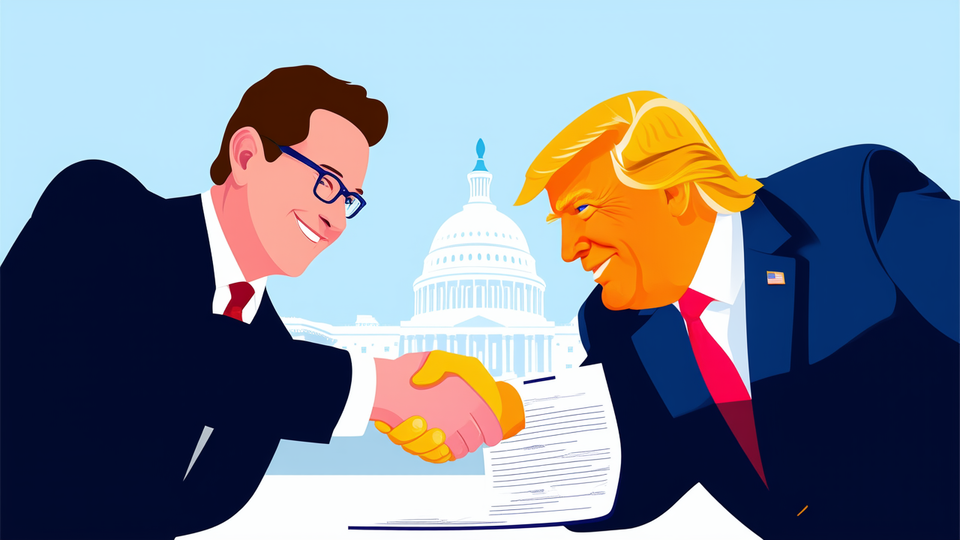
Rep. Thomas Massie of Kentucky praised President Donald Trump’s Oct. 16 decision to waive nearly all provisions of the Lindsey Graham sanctions act targeting Russia.
The waiver represents a rare moment of public approval for Trump from a GOP lawmaker who was among the seven Republicans to vote against the original bill, and it arrives amid a wave of criticism from Ukraine’s president, Senate Democrats and a handful of Republican senators.
Trump signed an executive order stating the waiver is “in the national interests of the United States,” linking the move to a pending diesel‑fuel deal with Russia that he said would help curb domestic fuel prices. The original legislation would have imposed 500% tariffs on Russian goods, 100% tariffs on the top five buyers of Russian oil and gas, and similar penalties on entities helping Moscow evade sanctions.
“I was one of only 7 Republicans to vote against the short‑sighted Lindsay Graham sanctions bill,” Massie wrote on X. “Glad to see Trump has used the executive authority granted by Congress to waive almost all of the provisions of this stupid law that pertain to Russia.”
Ukrainian President Volodymyr Zelensky denounced the waiver, arguing it provides “life‑support” to the Russian economy and fuels the war effort. Senate Minority Leader Chuck Schumer called the action “giving the Russian economy life support,” while Democrat Richard Blumenthal said the waivers “have nothing to do with our national security.” Outgoing Republican senators Thom Tillis and John Cornyn also rebuked the decision.
Massie’s endorsement comes as he prepares to leave Congress in January after losing his primary. His comment underscores the political tension surrounding the sanctions reversal, which came just weeks before the midterm elections and amid ongoing negotiations on energy pricing and foreign policy priorities.
The waiver’s long‑term impact remains uncertain. Critics say it could embolden Moscow and undermine U.S. support for Ukraine, while the administration argues it secures essential diesel supplies and eases domestic fuel costs. Congress may revisit the issue as lawmakers weigh national‑security concerns against economic considerations.