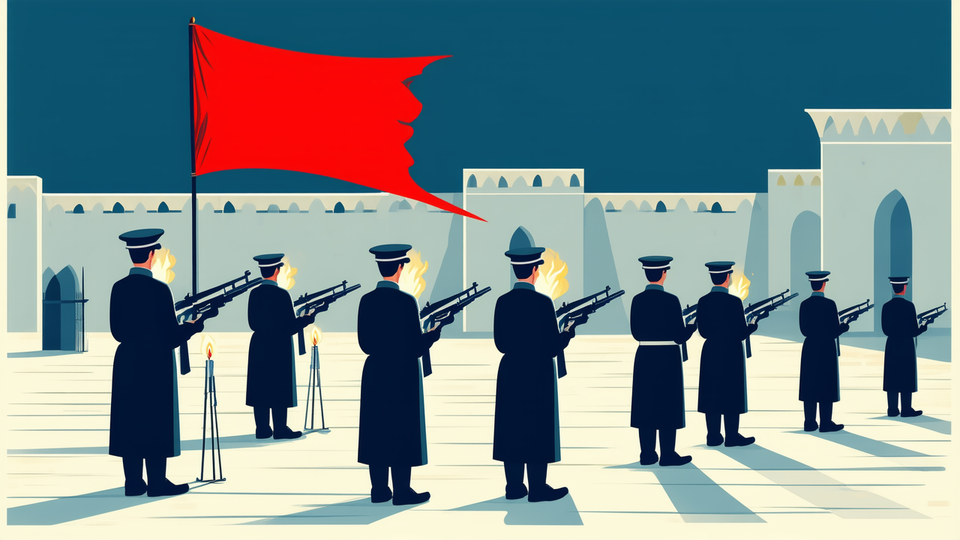
Religious leaders urge Nigerian youth to reject electoral violence ahead of 2027 vote
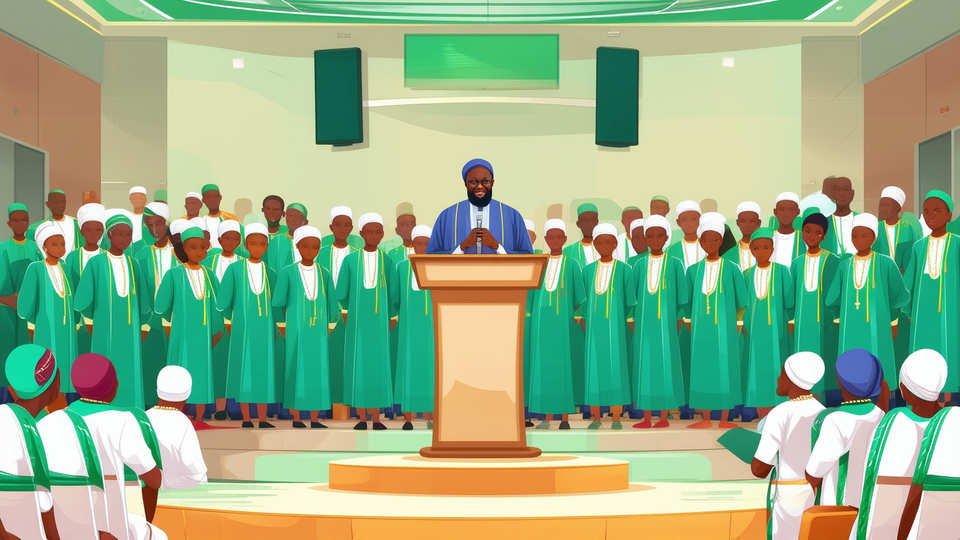
Religious leaders from Christian and Muslim communities addressed a National Youth Assembly for Democratic Resilience in Abuja on 15 October 2026, urging young Nigerians not to become disposable instruments for politicians ahead of the 2027 presidential election.
The assembly, organized by Global Peace Foundation Nigeria, carried the theme “Empowering Youth Voices Against Electoral Violence” and brought together youth leaders from both faiths. Rev. Fr. Canice Enyiaka, director of the Africa Peace Initiative and Engagement, emphasized that the dignity of a poor youth is equal to that of a president’s son or a billionaire’s relative, and that no child of a politician should be asked to die for politics.
Enyiaka cited research indicating that roughly 2,444 Nigerians lost their lives to electoral violence between 1999 and 2023, with young people accounting for a majority of the casualties while none of the deceased were children of political elites.
Sheikh Muhammad Nuru Khalid, known as the “Digital Imam,” warned that many youths struggle to access education and that resources meant for their schooling are often diverted to buy votes with food items and cash. He reminded the audience that vote‑buying is a criminal offense under Section 121 of the Electoral Act and urged young voters to treat their ballot as a civic duty.
“Ask any politician who comes to campaign to show you their children and wives,” Khalid said, framing transparency as a deterrent to manipulation.
Rev. Joseph Hayab, country director of Global Peace Foundation Nigeria, reinforced the call for a purely civic process, stating that elections should be decided by votes rather than the destruction of neighbours.
The appeal echoed earlier statements from other religious figures, such as Islamic scholar Sheikh Qaribullahi Nasiru‑Kabara, who recently urged clerics and politicians to use respectful language to promote peace and unity.
Organizers hope the assembly’s message will resonate with youths whose families risk losing loved ones in political conflict, especially as many children of the elite pursue education abroad while their compatriots bear the brunt of violence.
The next step will be a series of town‑hall meetings across Nigeria’s states, where faith leaders and civil‑society groups plan to engage directly with young voters and monitor the conduct of political campaigns as the 2027 election draws nearer.