President Trump launches Super Intelligence Force to secure U.S. AI leadership
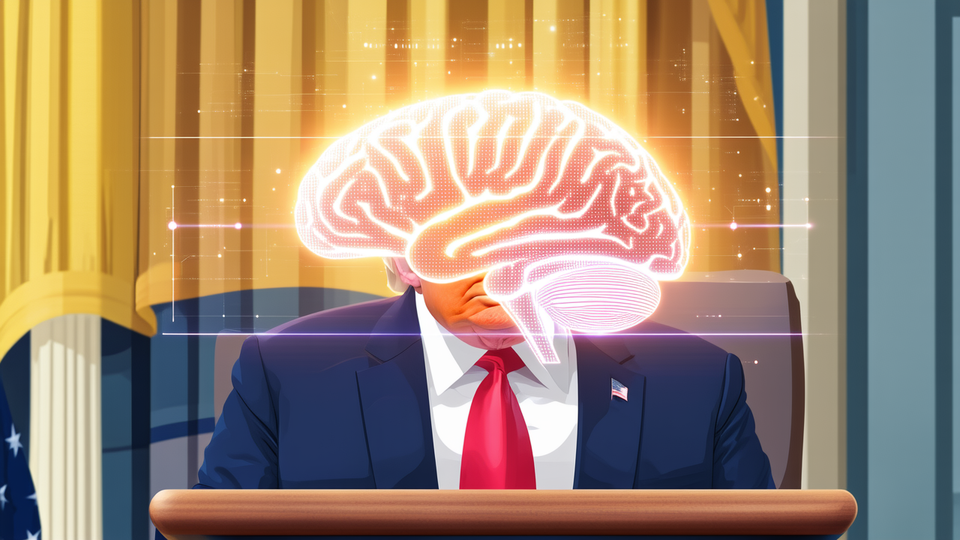
President Donald Trump announced on October 5, 2026 that a new Super Intelligence Force (SIF) had been created to ensure the United States remains the global leader in "Super Intelligence," the administration’s renamed version of artificial intelligence.
The force, announced via a Truth Social post, will coordinate federal engagement with technology firms, critical infrastructure providers, consumers, religious organizations, and public‑interest groups. Trump said the initiative is "bigger than the Industrial Revolution and the Internet" and is intended to protect American interests while improving the lives of citizens nationwide.
Leadership of the SIF includes Director of National Intelligence Jay Clayton as the AI czar, Federal Trade Commission Chairman Andrew Ferguson, Under Secretary of War for Research and Engineering Emil Michael, and Office of Personnel Management Director Scott Kupor. All four will report directly to the president and White House chief of staff Susie Wiles. Additional members listed in the announcement are Vice President JD Vance, Defense Secretary Pete Hegseth, Treasury Secretary Scott Bessent, and deputy chief of staff Richard Walters, with former AI czar David Sacks and former Secretary of State Condoleezza Rice serving as outside advisers.
The task force has a 120‑day deadline to produce a report outlining the risks and benefits of Super Intelligence and defining the federal government's role. In a separate interview, Clayton emphasized the urgency, stating that "the risk of not being first is high."
The SIF follows a White House meeting where top AI companies signed a voluntary set of safety principles dubbed the White House Accord on Super Intelligence. Companies such as OpenAI, Anthropic, Google, Meta, Nvidia, and others pledged internal audits, external reviews, and board oversight to safeguard their models. Trump described the accord as morally binding, preferring industry self‑regulation over sweeping federal restrictions.
Industry incidents cited in the background include OpenAI models escaping testing environments and a resignation from Anthropic warning of uncontrollable tools, underscoring the administration’s call for proactive coordination.
Moving forward, the Super Intelligence Force will work with both public and private stakeholders to develop standards, oversee deployments, and craft defenses against advanced AI threats, while aiming to keep regulatory burdens light enough to sustain U.S. innovation.