Pope Declares AI Not Morally Neutral and Calls for Developer Responsibility
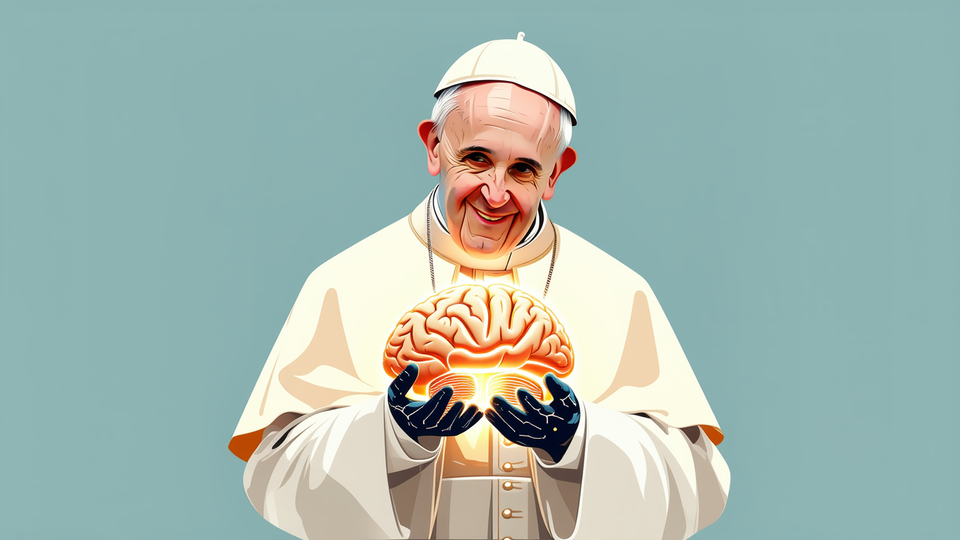
AI Ethics According to the Pope
The Pope’s latest address on June 25, 2026, makes clear that artificial intelligence (AI) cannot be deemed morally neutral. He argues that every technical tool reflects choices about what it measures, what it ignores, and how it classifies people and situations. This perspective aligns AI’s design and impact with the moral framework of human dignity and the common good.
Responsibility must be defined at every stage of AI development, from design to deployment. The Pope calls for clear accountability, meaning that developers, corporations, and users should be able to identify who is responsible for the decisions made by AI systems. This includes the ability to justify, monitor, and, when necessary, challenge outcomes that cause harm.
He also stresses the importance of regulatory tools capable of upholding justice. The Pope’s earlier 42,300-word letter, "Magnifica Humanitas," called for regulations that curb the distorting effects of technological power. The current message reinforces that regulation should protect workers whose jobs may be displaced, ensure education adapts to new technologies, and shield children from violent or sexual AI‑generated content.
The Vatican has responded by establishing a commission to discuss AI challenges, demonstrating an institutional commitment to ethical oversight. This commission aims to bring together theologians, scientists, and policy makers to develop guidelines that keep AI aligned with values that respect every person.
For developers, the Pope’s call translates into concrete actions: embed ethical considerations into design, ensure transparency of algorithms, and create mechanisms for users to understand and contest AI decisions. By doing so, the tech community can help prevent the misuse of AI and support its potential to serve humanity positively.
In summary, the Pope’s declaration frames AI as a moral instrument that must be guided by responsibility, accountability, and protective regulation. His appeal invites a collaborative effort across faith, science, and technology to shape AI in a way that upholds human dignity and the common good.