Pentagon evaluates MOAB for possible Iran strikes amid Trump pressure
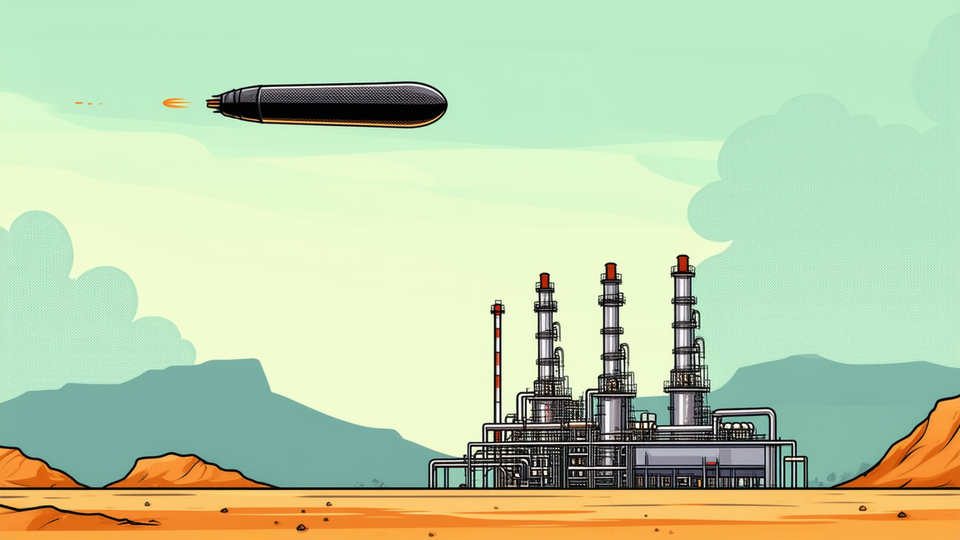
U.S. Pentagon officials reported on Oct. 15 that the GBU‑43/B Massive Ordnance Air Blast bomb, known as the MOAB, is under consideration for future strikes against Iranian energy infrastructure and nuclear sites if President Donald Trump orders a renewed combat operation.
The development signals a possible escalation in the ongoing conflict with Iran and comes as the administration faces intense pressure to resolve a war that has disrupted global energy markets and threatens the party’s standing ahead of the midterm elections.
The MOAB is a GPS‑guided conventional bomb weighing roughly 21,000 pounds, with a warhead that contains about 18,700 pounds of explosives. Designed to explode above ground, it creates a massive pressure wave and a mushroom‑shaped cloud that can damage structures across a one‑mile radius. The United States has used the weapon only once in combat, dropping it on an ISIS‑K tunnel complex in Afghanistan in April 2017.
Military planners have listed Iranian targets such as the Pickaxe Mountain facility, where officials believe Tehran has moved nuclear components underground. However, senior research fellow Spencer Faragasso warned that the MOAB is intended for large surface targets and is ill‑suited for deeply buried sites. He suggested the GBU‑57 Massive Ordnance Penetrator would be a more appropriate option for fortified underground facilities.
White House officials declined to comment on the plan, saying they do not discuss sensitive military options that may not exist. Nonetheless, the Pentagon’s exploration of the MOAB reflects President Trump’s stated willingness to keep all options on the table to prevent Iran from acquiring a nuclear weapon, a stance echoed by a White House spokesperson.
Experts note that employing the MOAB against above‑ground infrastructure could increase the risk of civilian casualties, especially if used in densely populated areas. They also caution that a single massive blast may not compel Tehran to negotiate and could provoke further Iranian retaliation, potentially prolonging the cycle of attacks.
The Pentagon says the review is ongoing and that any deployment would require a presidential directive. Until then, officials continue to develop a range of strike packages that may include precision‑guided munitions, conventional bombs, and the MOAB as part of a broader strategic assessment.