Peggy Flanagan’s Ojibwe name tweet draws online ridicule
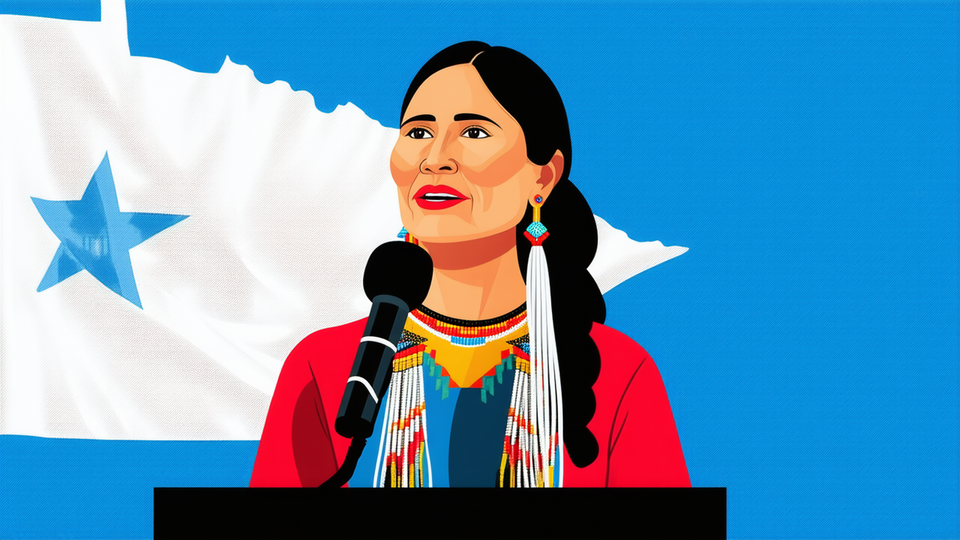
On October 13, 2026, Minnesota Lieutenant Governor Peggy Flanagan, the Democratic nominee for the U.S. Senate, posted her Ojibwe name on X, prompting a flood of mocking responses from users across the platform.
Flanagan’s post was intended to highlight her heritage and signal that she would serve as “Minnesota’s voice in the U.S. Senate — not Donald Trump’s.” The move arrived at a critical moment in the campaign, as the race tightens and social‑media scrutiny intensifies.
My Ojibwe name is Gizhiiwewidamookwe, which means ‘Speaks in a Loud and Clear Voice Woman,’ I’m going to be Minnesota’s voice in the U.S. Senate — not Donald Trump’s.
The name, which translates to “Speaks in a Loud and Clear Voice Woman,” quickly became the focus of ridicule. Commenters suggested alternative Ojibwe words, many of which were deliberately disparaging. One user wrote, “It should be Giiwanimowin, which means ‘A lie or act of deception.’ You do not deserve the job,” while another asked, “What is Ojibwe for ‘Woman who stays silent while billions in fraud are stolen straight out of Minnesotans’ wallets’?” The tone of the replies ranged from playful teasing to overtly sexist and dismissive attacks.
Flanagan’s tweet added to a series of controversies that have followed her campaign. Earlier coverage noted a video in which she addressed the Somali community while wearing a hijab, and she had previously boasted about the removal of a Christopher Columbus statue by a “violent leftist mob.” Those incidents, combined with the current online backlash, have amplified criticism from opponents who question her messaging and authenticity.
Despite the mockery, the candidate’s supporters emphasized the significance of a Native American woman seeking a Senate seat, noting that she would be the first to achieve that milestone. They argue that highlighting her Indigenous name is a step toward greater representation for under‑represented communities.
As the election approaches, Flanagan’s campaign has not issued a formal response to the online commentary. The controversy underscores how cultural identifiers can become flashpoints in modern political discourse, especially when amplified by social‑media platforms.