

NYC Socialist Candidate Walks Out of Radio Interview Amid Social Media Scrutiny
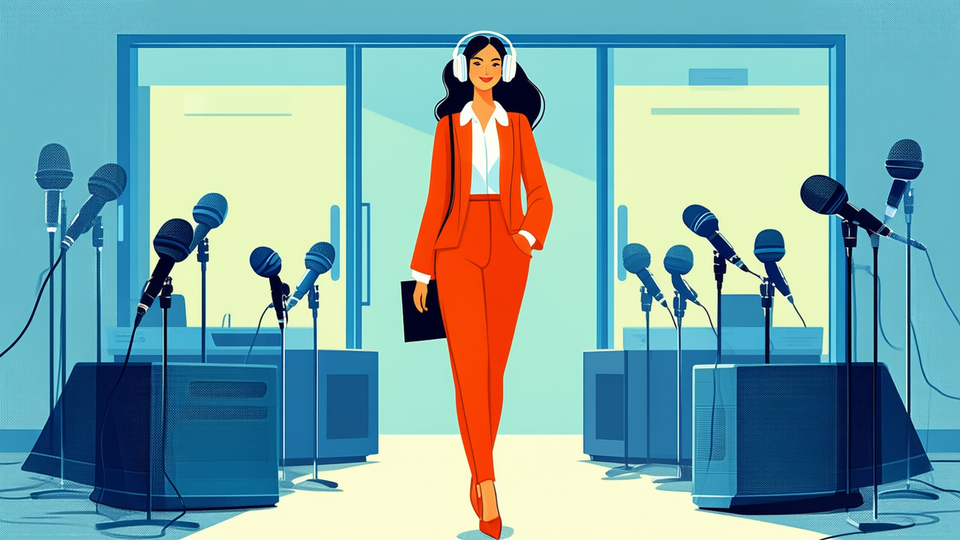
In the early hours of June 24, 2026, New York City’s political scene witnessed a dramatic moment that reflected the evolving relationship between candidates, media, and digital history. Darializa Avila Chevalier, a self‑described socialist who had just pulled off a stunning upset over veteran Rep. Adriano Espaillat in the Democratic primary for New York’s 13th congressional district, entered a live interview on La Mega 97.9 FM’s morning show El Vacilón de la Mañana. The Spanish‑language program, popular among Dominican‑American listeners, was expected to give Chevalier a platform to discuss her vision for the district.
Instead, the interview quickly turned contentious. Hosts asked Chevalier to address past social‑media posts that had surfaced online, including a 2019 tweet in which she wrote that she refrained from using the Dominican flag because she viewed nationalism as “violent.” A second line of questioning focused on a deleted 2019 tweet in which she claimed to have “wiped my hand on the American flag” when she couldn’t find napkins. Chevalier responded that she regretted those remarks but emphasized a broader need for unity and for fighting “the things that are necessary for the community.” When the hosts persisted, she snapped, “I am not going to sit here and be yelled at by various people,” before ending the interview with a curt “have a beautiful day,” removing her headphones, and walking out of the studio.
The fallout was immediate. Social‑media users shared clips of the confrontation, many condemning Chevalier’s past remarks as disrespectful to Dominican and American symbols. Critics, particularly from conservative outlets, seized on the incident to question her patriotism and suitability for office. In contrast, progressive supporters framed the episode as an example of the harsh scrutiny that left‑leaning candidates often endure, especially when they voice anti‑establishment positions.
Despite the controversy, the primary results were unchanged. Chevalier’s victory, backed by a coalition of grassroots organizers and an endorsement from New York City Mayor Zohran Mamdani, signaled a shift toward more left‑wing representation in the district. Her platform, which includes calls to abolish ICE, prisons, and borders, as well as to seize property from landlords, resonated with voters who are frustrated by housing insecurity and immigration enforcement.
The incident also reignited a broader debate about the role of social‑media history in political campaigns. While opponents argue that past posts reflect a candidate’s character, advocates contend that an evolving individual should not be forever defined by youthful statements, especially when those statements are taken out of context. Chevalier herself addressed the criticism in a later email, acknowledging the pain her tweets caused and emphasizing that she chose to move from “anger on the internet” to “organizing on the ground.”
As the general election approaches, Chevalier will need to navigate the lingering media attention while delivering on her progressive agenda. The episode serves as a cautionary tale for aspiring politicians: in an era where every tweet can be archived and resurfaced, digital accountability is as crucial as policy positions.
For New Yorkers watching the race unfold, the takeaway is clear—politics is no longer just about the questions asked in a studio; it’s about the entire digital footprint that follows a candidate from the moment they first log on.





