

Missing in the Rubble: Venezuela’s Twin Quakes Leave Over 50,000 Unaccounted
Missing Persons After the Twin Earthquakes
On the evening of June 26, 2026, a magnitude 7.2 quake rattled northern Venezuela followed thirty‑nine seconds later by a magnitude 7.5 shock. The twin tremors devastated the coastal state of La Guaira, the capital Caracas and surrounding regions, flattening buildings and trapping thousands beneath concrete debris.
Official reports now list more than 50,000 people as missing. Health Minister Carlos Alvarado said at least 4,300 were injured, while the National Assembly President Jorge Rodríguez confirmed a death toll of 920 and warned that the number of victims could climb into the thousands. In the days after the disaster, volunteers posted flyers with photos of loved ones, and families handed out handwritten lists in the streets as they searched for answers.
The government declared a state of emergency and mobilized troops to the hardest‑hit areas. Acting President Delcy Rodríguez welcomed international rescue crews, emphasizing that “we are going to rescue the people who are trapped.” The United Nations Office for the Coordination of Humanitarian Affairs dispatched 1,000 responders in 25 teams, including search‑and‑rescue dogs from the International Search and Rescue Dog Organization. More than 60 foreign teams arrived from the United States, Spain, the Netherlands, Mexico, Germany, Chile, Switzerland and Turkey, delivering equipment such as ground‑penetrating radar, dogs and cutting tools.
Despite the influx of help, responders faced severe shortages. Venezuelan doctors described hospitals as “completely overwhelmed,” lacking essential medicines, IV supplies and even basic bandages. The long‑standing economic crisis meant that even routine medical care was scarce before the quakes, and now emergency wards are forced to ration life‑saving resources.
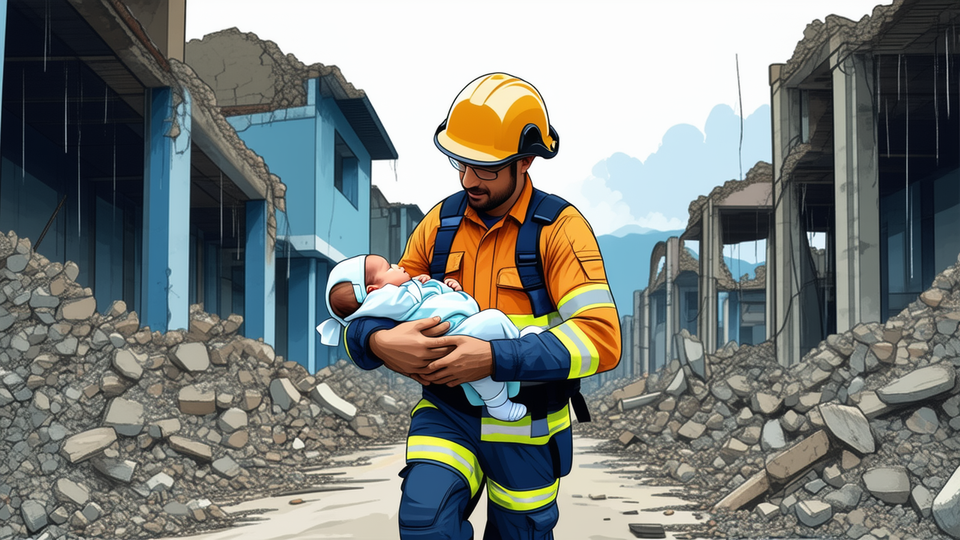
Families like those of Dayana Patiño, who was rescued with her newborn after 12 hours under rubble, illustrate both the hope and the heartbreak of the search. Volunteers such as Marcia Franco used hand‑made flyers and shouted names into collapsed corridors, while others relied on limited heavy machinery that arrived days after the initial shock. The “golden window” of 48‑72 hours for rescuing survivors is rapidly closing, yet many victims remain trapped, awaiting aid.
International donors have pledged millions. The United States announced a $150 million humanitarian package, including Urban Search and Rescue teams and medical supplies. Spain, Brazil, China, Portugal and Canada also pledged assistance. Nonetheless, officials highlighted logistical hurdles, including a closed main airport near Caracas that complicates the arrival of relief flights.
The situation underscores the intersection of natural disaster and social justice. Vulnerable communities, already bearing the brunt of Venezuela’s economic hardship, now face the added threat of displacement and loss. Continued global solidarity, transparent coordination and rapid delivery of medical and shelter supplies are essential to prevent further loss of life.
As rescue crews work around the clock and families cling to hope, the world watches a nation in crisis. The scale of the missing persons epidemic demands sustained attention, resources and compassion until every possible survivor is found and the afflicted receive the care they need.





