May 28, 2026: Canada Debates Ebola Travel Restrictions for FIFA World Cup
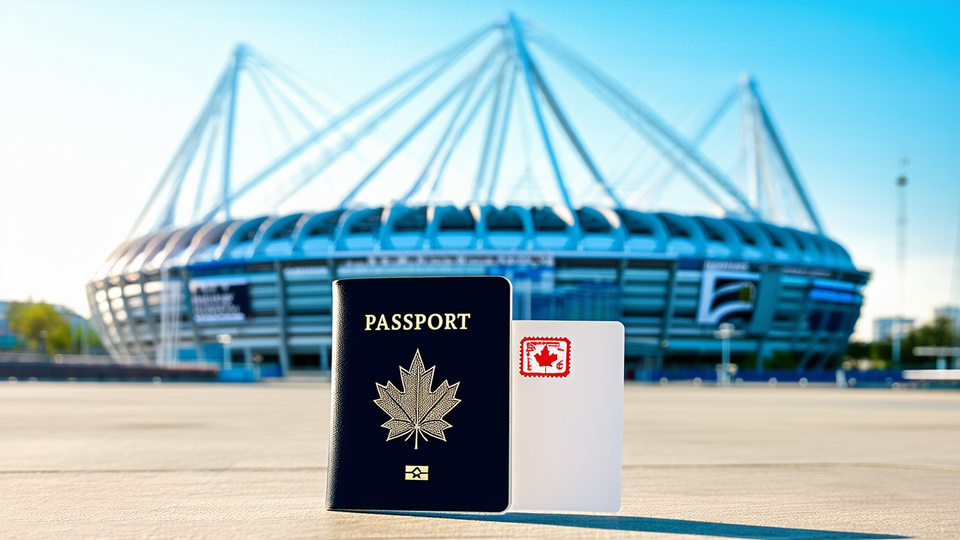
Canada’s Ebola Travel Measures Ahead of the FIFA World Cup
On May 28, 2026 the Canadian government announced a 90‑day pause on immigration and travel documents for citizens from the Democratic Republic of the Congo, Uganda, and South Sudan, alongside a mandatory 21‑day self‑isolation period for travelers from these nations. The decision follows a joint statement by Canada, the United States, and Mexico, aligning their travel policies in anticipation of the massive influx of fans, athletes, and staff slated for the 2026 FIFA World Cup. President of the Public Health Agency of Canada (PHAC) emphasized that the strategy is a precautionary measure aimed at safeguarding national health and preventing potential spread during a global event that could attract hundreds of thousands of visitors.
PHAC officials argued that the new measures “prevent the introduction of disease in Canada” and would “provide a safeguard for the event and Canadian citizens alike.” The restrictions include a temporary suspension of electronic travel authorizations and visa documents for individuals residing in the affected countries, while allowing visas to be extended for those already in Canada and continuing regular passport processing. Critics claim that the policy creates unnecessary barriers, especially for people who reside outside Africa and have no direct ties to the outbreak regions.
In contrast, infectious-disease experts—including Dr. Allison McGeer of Mount Sinai Hospital and virologist Dr. Angela Rasmussen from the University of Saskatchewan—point out that Ebola is far less contagious than many contemporary viruses, as it spreads primarily via direct contact with bodily fluids and only after symptoms appear. They argue that the probability of a traveler carrying the disease into Canada is virtually negligible, and that broad travel bans are unsupported by epidemiological data. WHO representatives have echoed this position, stating that “restrictions on travel and trade... do not have a basis in science” and may undermine containment efforts in the African countries where the outbreak is ongoing.
Proponents of the restrictions, including Dr. Matthew Runnalls, the medical director of Toronto’s World Cup medical planning team, contend that measures are reasonable given the scale of the event. They claim that a symptom‑based screening and a 21‑day isolation period could suffice, and that comprehensive bans help mitigate risk. They also suggest that labeling the approach “overkill” is misleading for a pathogen that can pose a severe risk in the wrong circumstances.
Ultimately, the policy highlights a tension between public health precaution and international mobility. While the Canadian government cites the FIFA World Cup as justification for stringent measures, WHO and a segment of national experts believe broader travel restrictions lack evidence and could hinder the international response in affected countries. The policy will remain in force until August 29, 2026, unless the outbreak changes course.