

Maryville Residents Rally Against Proposed AI Data Center on June 15, 2026
Introduction
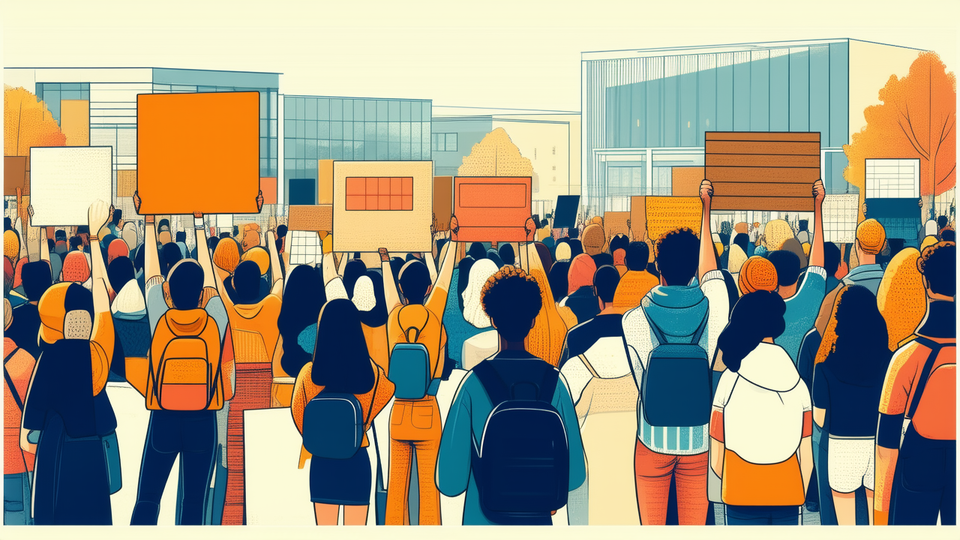
On June 15, 2026, residents of Maryville, Missouri, assembled at a public water supply district meeting to oppose a proposed artificial intelligence data center slated for construction south of the town. The meeting was moved to a larger venue because organizers expected a significant turnout, highlighting the depth of local concern.
Background of the Project
The plan calls for a $6.3 billion AI data center, a massive facility that would require extensive water and energy resources. Stakeholders such as Scale Microgrids are expected to decide by the end of the month whether the development, referred to as White Cloud Acres, will proceed. Proponents argue that AI data centers can improve utility forecasting and integrate renewable energy, yet the scale of this project raises questions about its feasibility in a primarily agricultural region.
Community Concerns
Local activists emphasized several key issues. First, water usage is a primary worry; a large data center could consume up to 5 million gallons of water per day, far surpassing Maryville’s treatment plant capacity of 2.5 million gallons. Residents fear both depletion and possible contamination, prompting the public water supply district to anticipate larger attendance. Second, the impact on farmland and wildlife was highlighted, with owners worried about noise, light pollution, and stress on livestock. Third, the group called for transparency, demanding that developers disclose plans and avoid secrecy.
Response and Action
Opposition coalesced under the coalition Nodaway Says No, which has organized protests, petitions, and public meetings. More than 30 people attended the June 15 rally, representing a bipartisan group of farmers, homeowners, and concerned citizens. Leaders such as Nancy Zeliff and Rob Duvall urged county commissioners to impose a moratorium, giving the community time to evaluate the project’s long‑term effects. The coalition also gathered over 7,000 petition signatures in a short period, reflecting widespread regional dissent.
Conclusion
The Maryville protest illustrates how large‑scale AI infrastructure projects can clash with local resources and community values. While the technology promises advances in data processing and grid management, residents are rightfully demanding responsible use of water, protection of farmland, and full transparency from developers. The outcome of the upcoming decision by Scale Microgrids will set a precedent for how rural communities can influence the deployment of high‑tech facilities in their midst.





