

Love of Neighbor: A Democratic Ideal for America
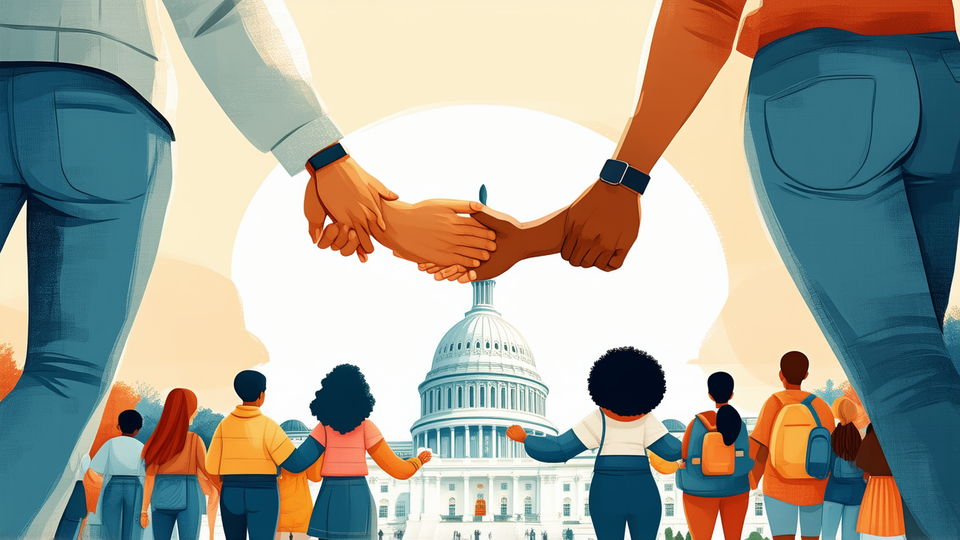
Love of Neighbor: A Democratic Ideal for America
When the United States approaches its 250th anniversary, many look to its founding principles for guidance. One of the most powerful ideas emerging from both the Bible and the nation's early leaders is the call to love our neighbor. This concept goes beyond personal kindness; it is a public ethic that shapes how a democracy works.
In the biblical tradition, love for neighbor is rooted in the belief that every person bears the image of God. This means that each individual deserves justice, mercy, and respect, regardless of race, religion, or social status. When a community embraces this view, it behaves like a true ecclesia, a gathering of full citizens who decide together how to protect rights and promote the common good.
American democracy reflects this ideal when it upholds popular sovereignty, political equality, and the balance of majority rule with minority rights. Popular sovereignty declares that power comes only from the consent of the governed. Political equality guarantees that every voice—rich or poor, Black or white—has the right to be heard. And the protection of minority rights ensures that the powerful do not silence those who differ.
Historical examples show how churches have lived out this principle. Early believers like Priscilla and Aquila worked alongside Paul, caring for their community and demonstrating that service to others is a civic duty. Their example helped shape a church that was not only a place of worship but also a voice for justice, advocating for the enslaved, the poor, and the marginalized.
Today, the challenge is to keep this vision alive. In a climate of intense political division, it is easy to retreat into self‑interest. Yet the biblical invitation to “love our neighbor as ourselves” calls us to step beyond our comfort zones, to listen, to serve, and to stand with those whose lives differ from ours. When citizens act with humility and compassion, the democratic assembly becomes a place of reconciliation rather than conflict.
As the nation reflects on its past and looks toward the future, the love of neighbor offers a roadmap for renewal. It reminds us that democracy is not merely a system of votes, but a lived practice of caring for one another, grounded in the belief that every human being reflects the divine image. Embracing this ideal strengthens both faith and freedom, ensuring that America remains a nation where justice and mercy walk hand in hand.





