License at Stake: Why Paul Pelosi’s Driving Record Demands Action
Introduction
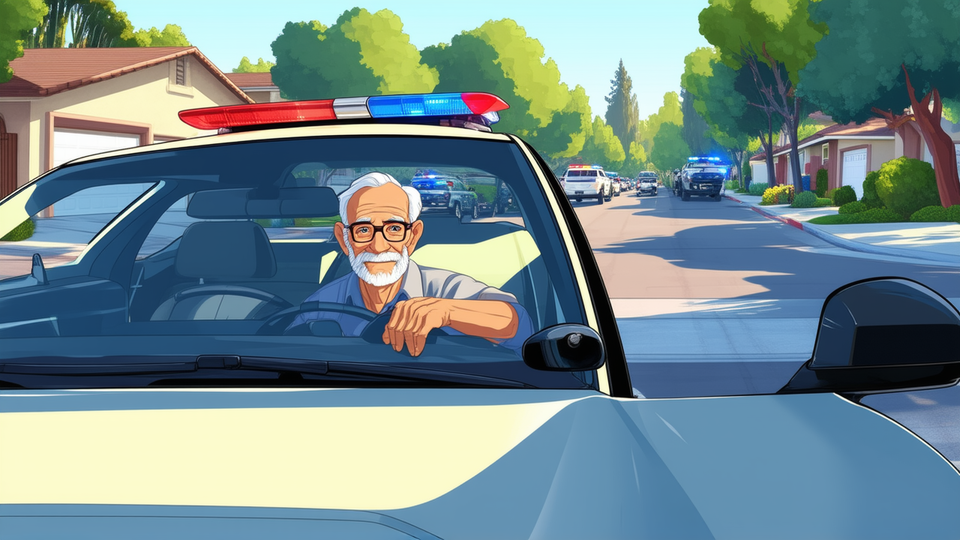
Paul Pelosi, the 86‑year‑old husband of former House Speaker Nancy Pelosi, recently collided with a parked vehicle in Yountville, California, then drove away. The incident follows a 2022 misdemeanor DUI conviction in Napa County, where he served a brief jail term, paid a fine, completed a drinking‑driver class and installed an ignition interlock device. His repeated traffic offenses have sparked public debate over whether he should retain his driver’s license.
Body
The latest crash caused “major damage” to a legally parked car, according to local authorities. Although no one was injured, the Napa County Sheriff’s Office referred Mr. Pelosi to the Department of Motor Vehicles for a review of his driving eligibility, a routine step for older drivers or those with prior violations. Prosecutors are considering misdemeanor charges for fleeing the scene, reflecting the severity of the offense.
Critics argue that Pelosi’s wealth – over $250 million shared with his wife – enables him to avoid the consequences faced by ordinary drivers. They point out that, unlike many with similar records, he can afford a private driver, reducing the practical need for a personal license. The California Post highlighted the contrast between his financial means and the public safety risk his continued driving poses.
From a policy perspective, the case underscores the importance of consistent enforcement of traffic laws. Drivers with prior DUI convictions are typically subject to stricter monitoring, including mandatory ignition interlock devices. When an individual repeatedly endangers public safety, the law provides mechanisms to suspend or revoke a license, regardless of age or status. Applying these standards uniformly reinforces the principle that “no one is above the law,” a refrain echoed by former Speaker Nancy Pelosi.
Health considerations also factor into the discussion. At 86, maintaining the physical and cognitive abilities required for safe driving becomes increasingly challenging. Medical professionals emphasize that age‑related declines in vision, reaction time, and judgment can elevate crash risk. Driving assessments, often recommended for seniors, could help determine whether an older driver remains fit behind the wheel.
Conclusion
Paul Pelosi’s driving history illustrates a broader tension between personal privilege and community safety. While his net worth allows alternatives to personal driving, the repeated infractions signal a pattern that jeopardizes others on the road. Ensuring that traffic regulations are applied fairly – and that senior drivers undergo appropriate evaluation – protects public welfare and upholds the rule of law.